
in Leefdaal, Belgium
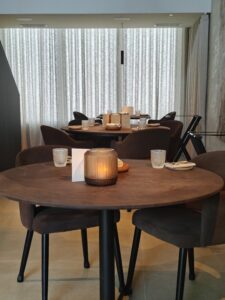
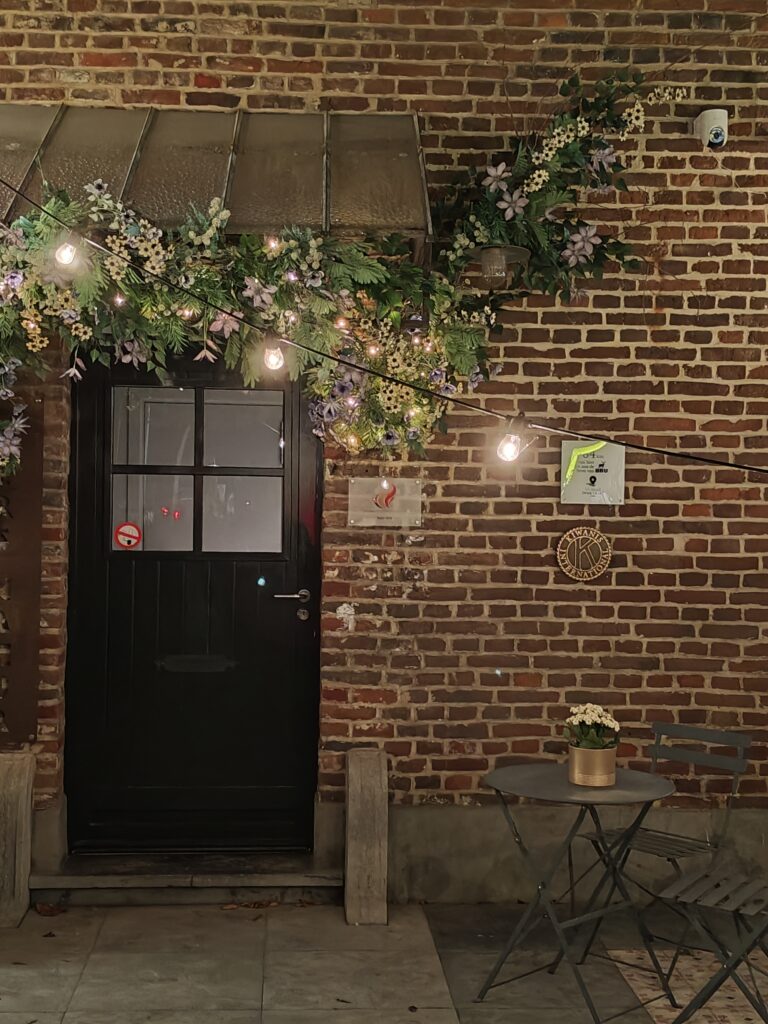
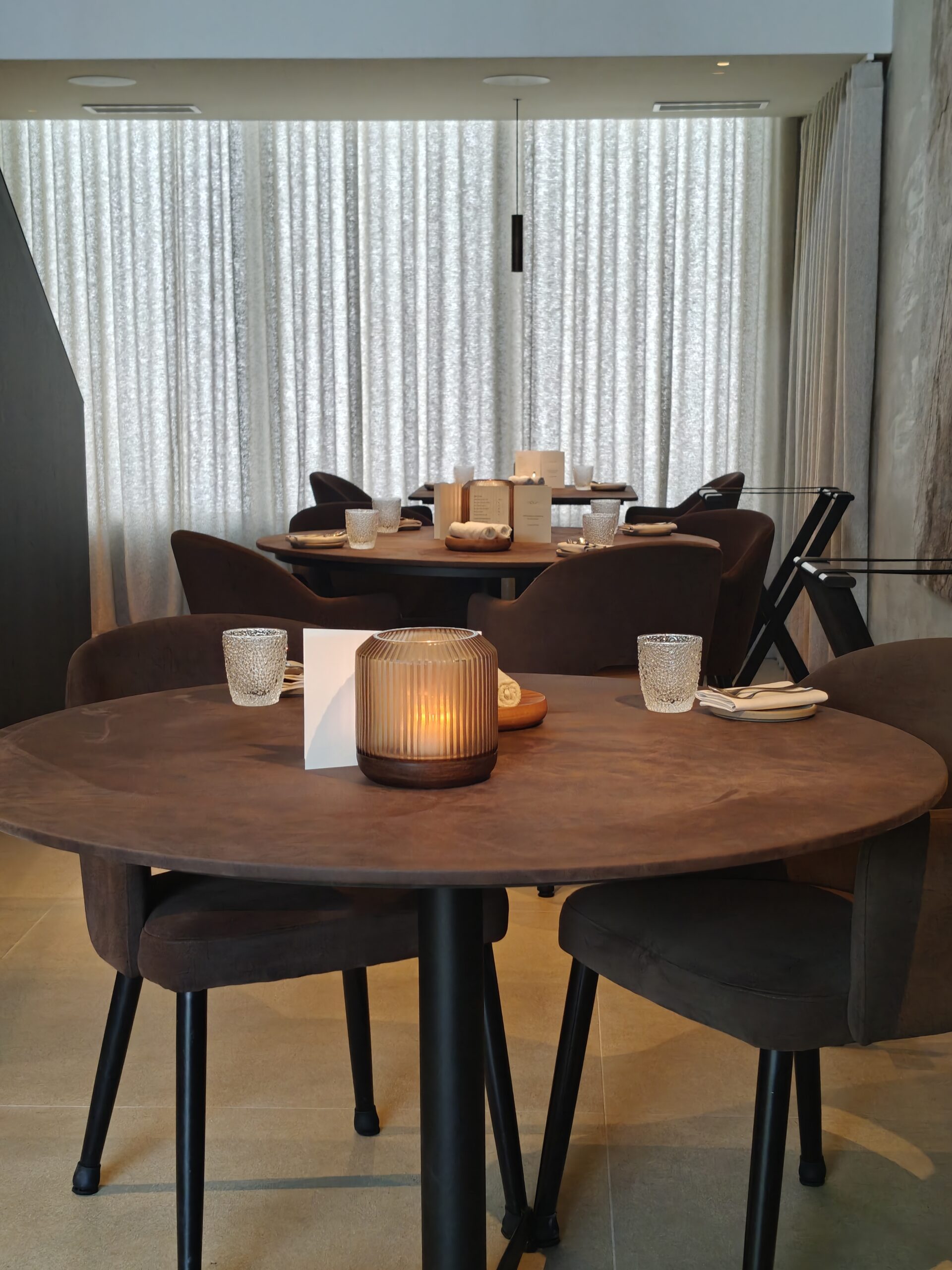
Atelier Noun, located in the quiet village of Leefdaal just outside Leuven, is one of those restaurants whose identity is inseparable from the people behind it. What started as an intimate private-chef concept gradually evolved into a full-fledged fine dining destination, yet the restaurant has retained a remarkably personal character. Housed in and around the owners’ own property, Atelier Noun feels less like a traditional restaurant and more like an extension of the vision shared by chef Bert Castermans and his partner Sandra Ponchaut.
Before opening Atelier Noun, Bert Castermans built his experience in a number of respected Belgian restaurants. His professional journey included time at Restaurant Arenberg under Lieven Demeestere, followed by a position with Marc Clément at Folliez. Determined to gain a complete understanding of hospitality, he also spent time working in restaurant service and expanded his knowledge of wine through the trade side of the industry. This broad background allowed him to develop a holistic view of what makes a restaurant experience memorable, not only in the kitchen but throughout the entire guest journey.
Alongside him stands Sandra Ponchaut, who plays a central role in the restaurant’s daily operation. As hostess, she oversees the dining room and guest experience. Her path into hospitality was less conventional, having previously worked in education before fully committing herself to the restaurant. Together, the couple transformed a personal dream into one of the most talked-about dining addresses in the region, creating a restaurant where guests feel genuinely welcomed and where the owners remain visibly involved throughout the evening.
That personal involvement is immediately noticeable during a visit. Unlike chefs who remain hidden in the kitchen for the entire service, Bert Castermans regularly appears in the dining room, personally presenting selected dishes at the table. It is a small gesture, but one that strengthens the connection between the kitchen and the guest. Even more telling is the fact that at the end of the evening, as diners prepare to leave, the chef takes the time to say goodbye personally. In an era where many restaurants have grown increasingly formal or distant, these moments add a sense of warmth and authenticity.
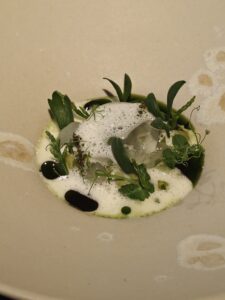
The meal itself followed a progression of complex and ambitious compositions. One of the recurring themes throughout the menu was the chef’s willingness to combine numerous ingredients and flavour elements within a single dish. Interestingly, this did not result in flavours that felt overly complicated or difficult to understand. The challenge lay elsewhere. While the individual components were often intriguing, the final blending of those elements occasionally felt as though it had not yet reached its full potential.
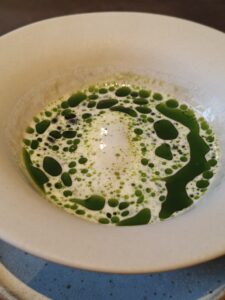
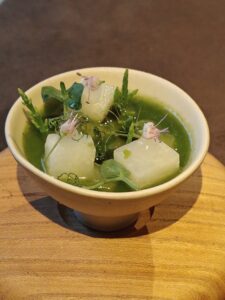
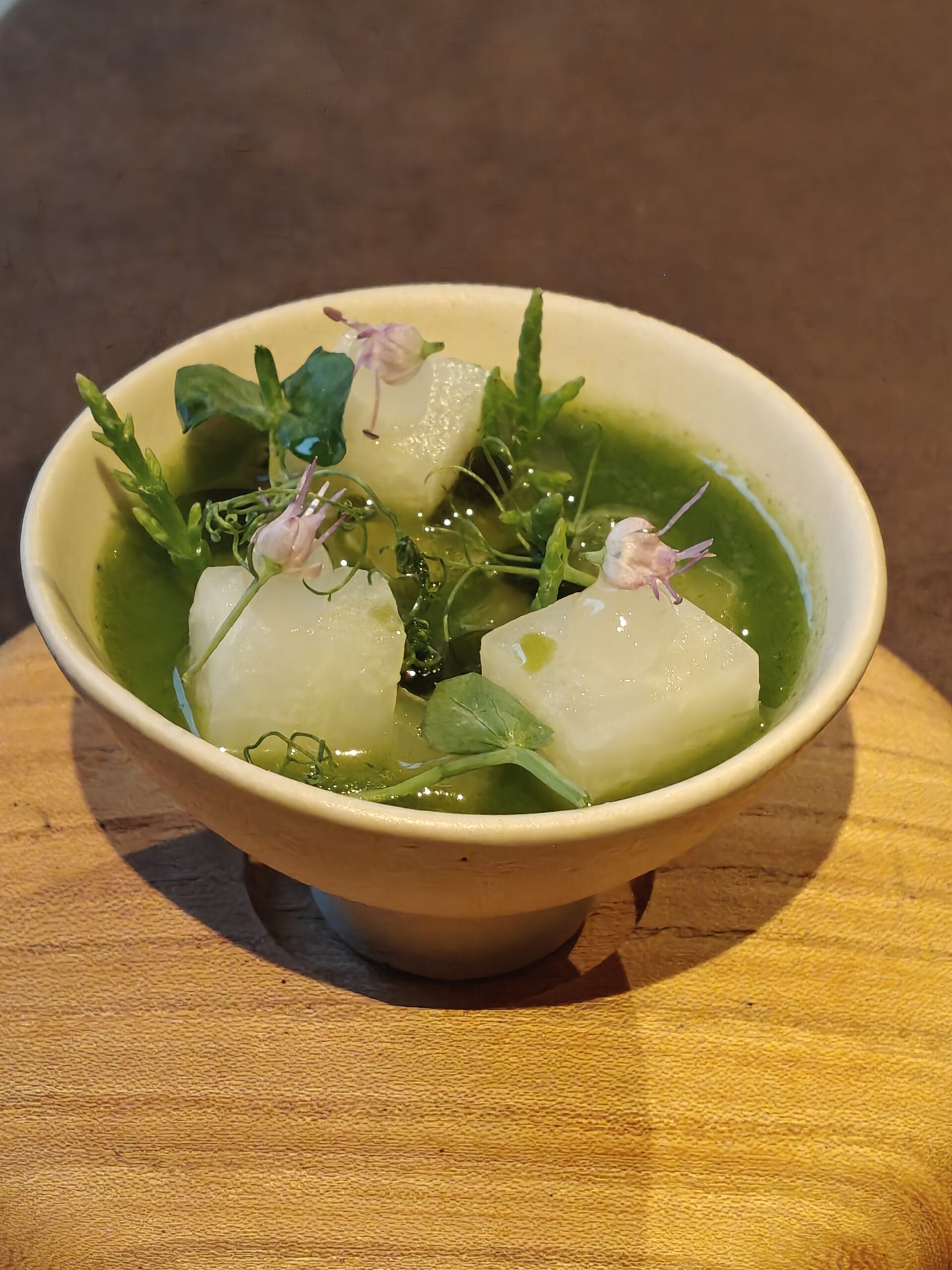
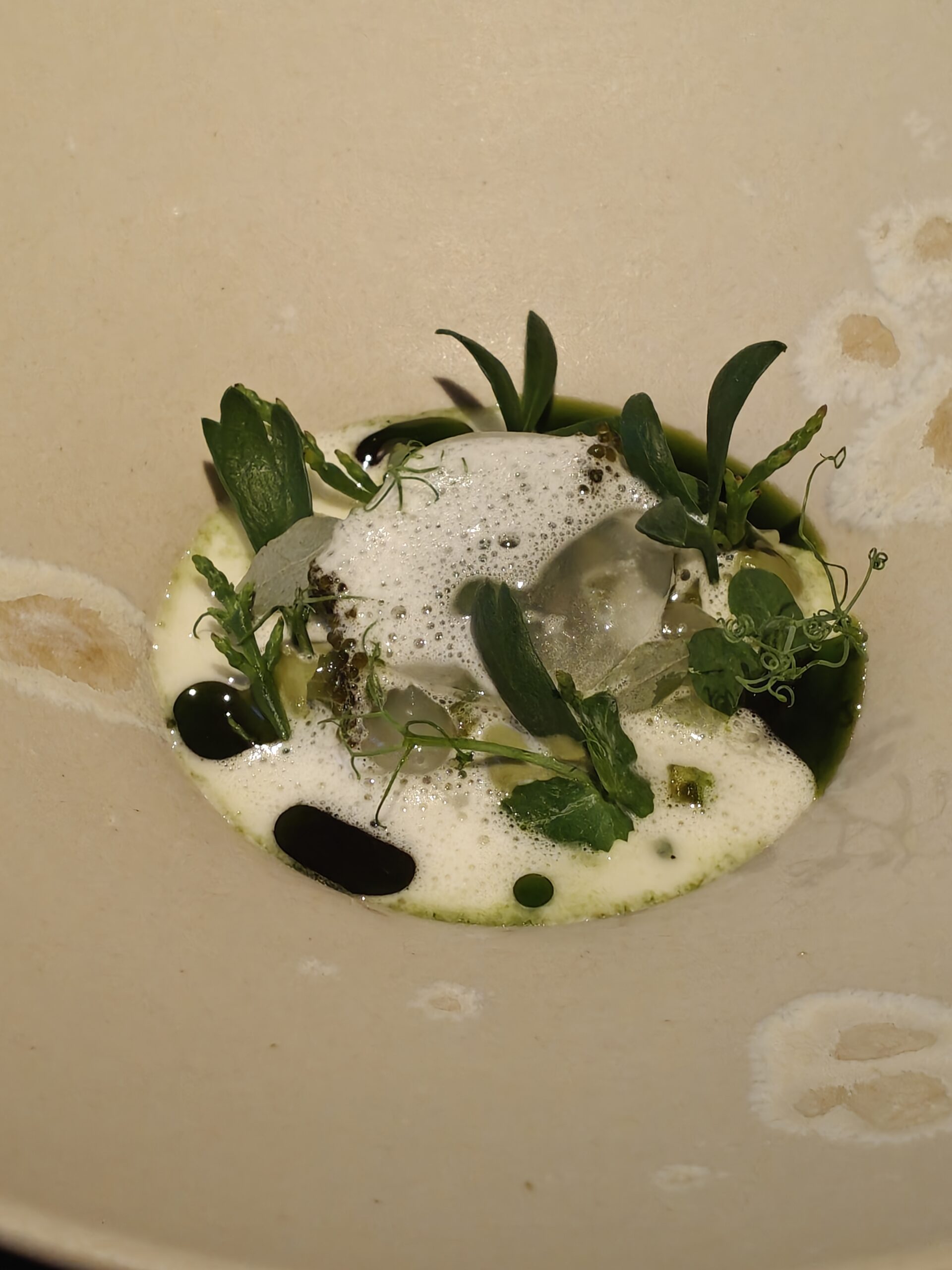
The vegetarian starter, featuring celeriac, plankton and kaffir lime, illustrated this point clearly. The idea of freshness was present and visible within the composition, particularly through the kaffir lime, yet that freshness never entirely emerged with the intensity one might have expected. The foundations were certainly there, but the dish seemed to stop just short of delivering the vibrant lift suggested by its ingredients.
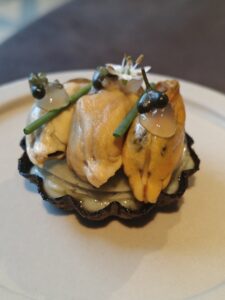
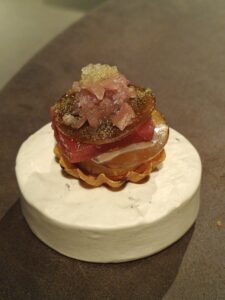
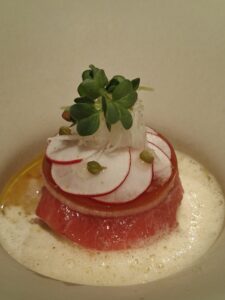
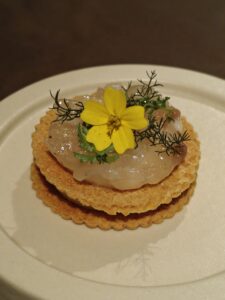
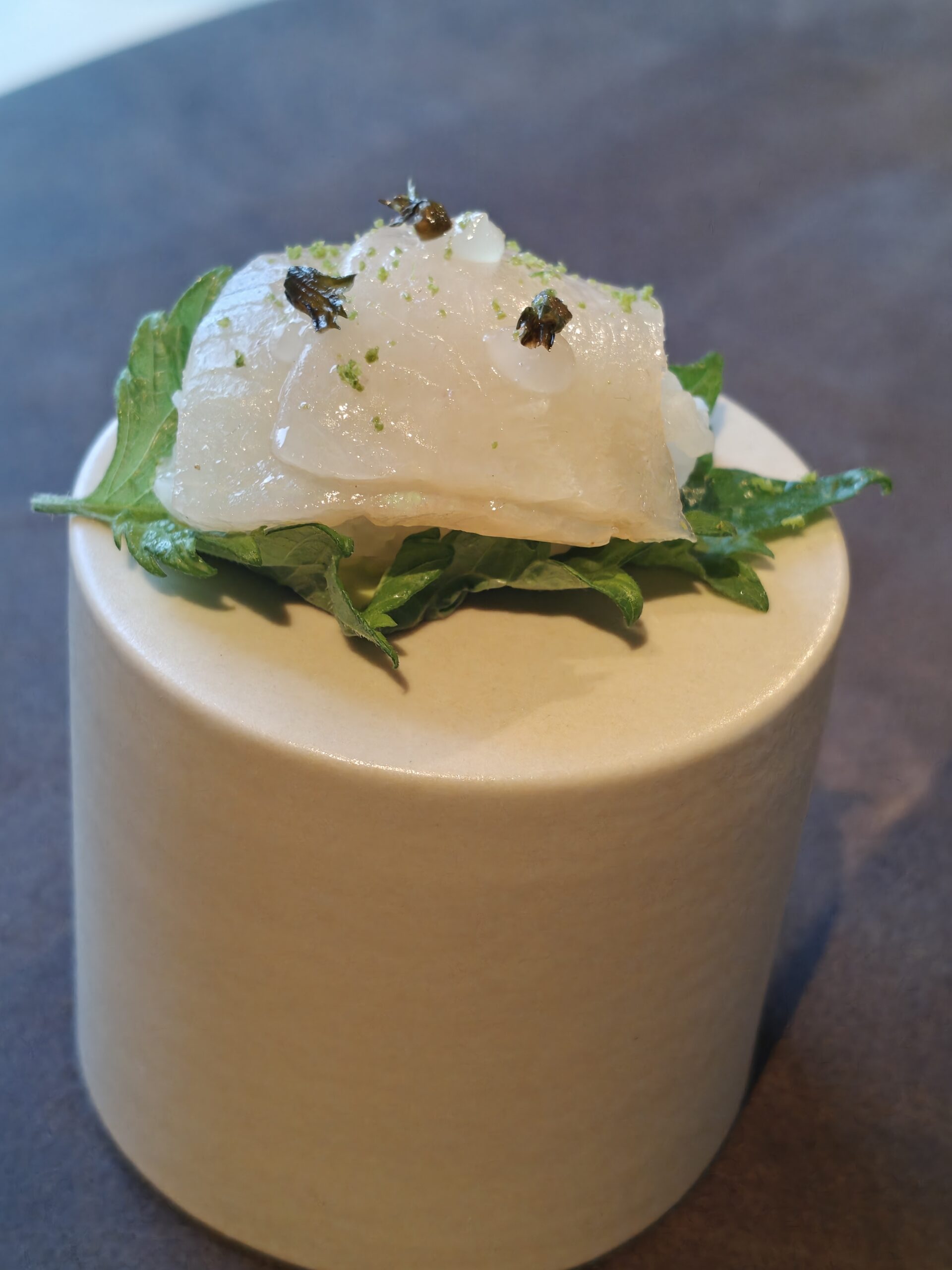
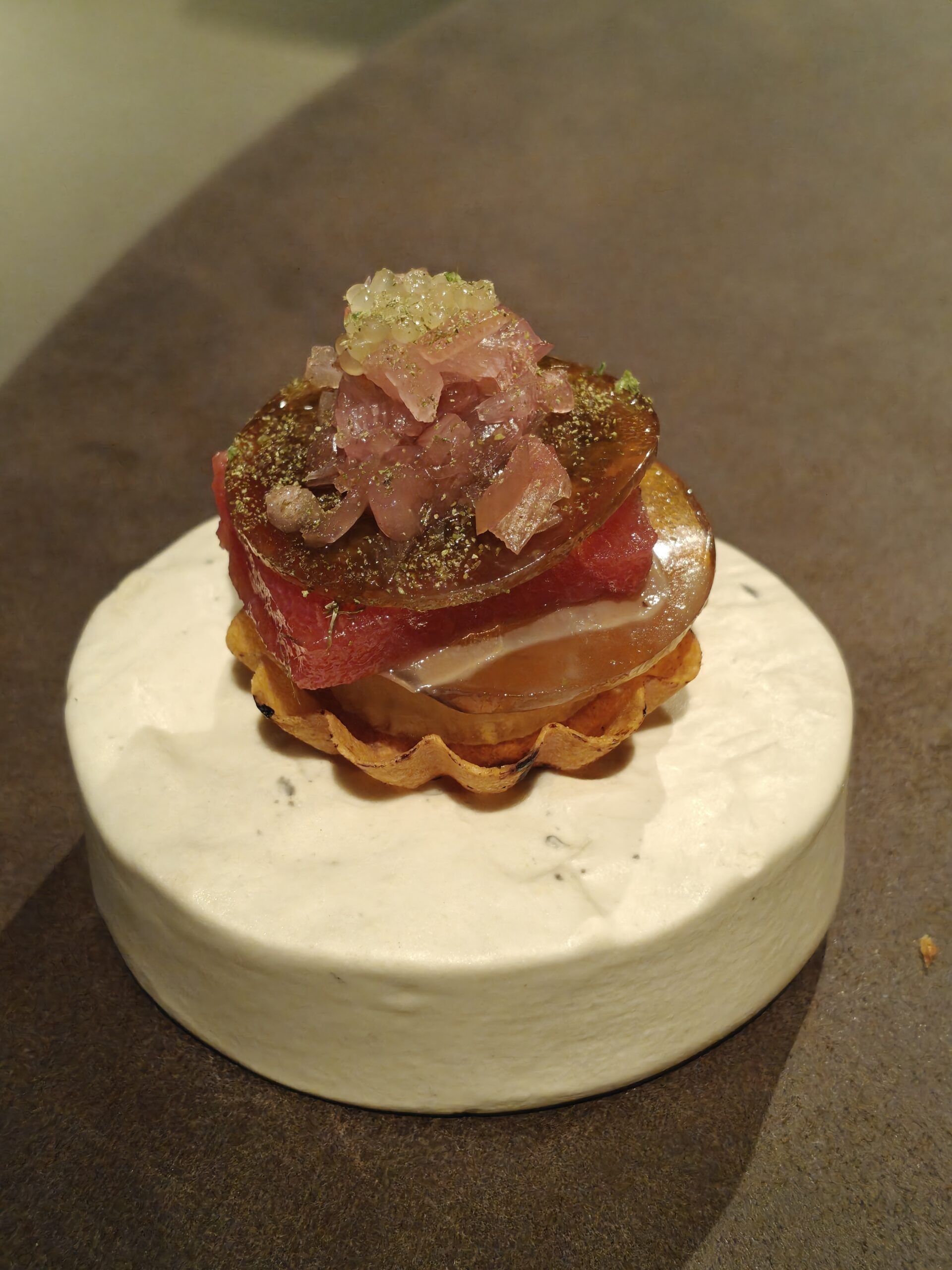
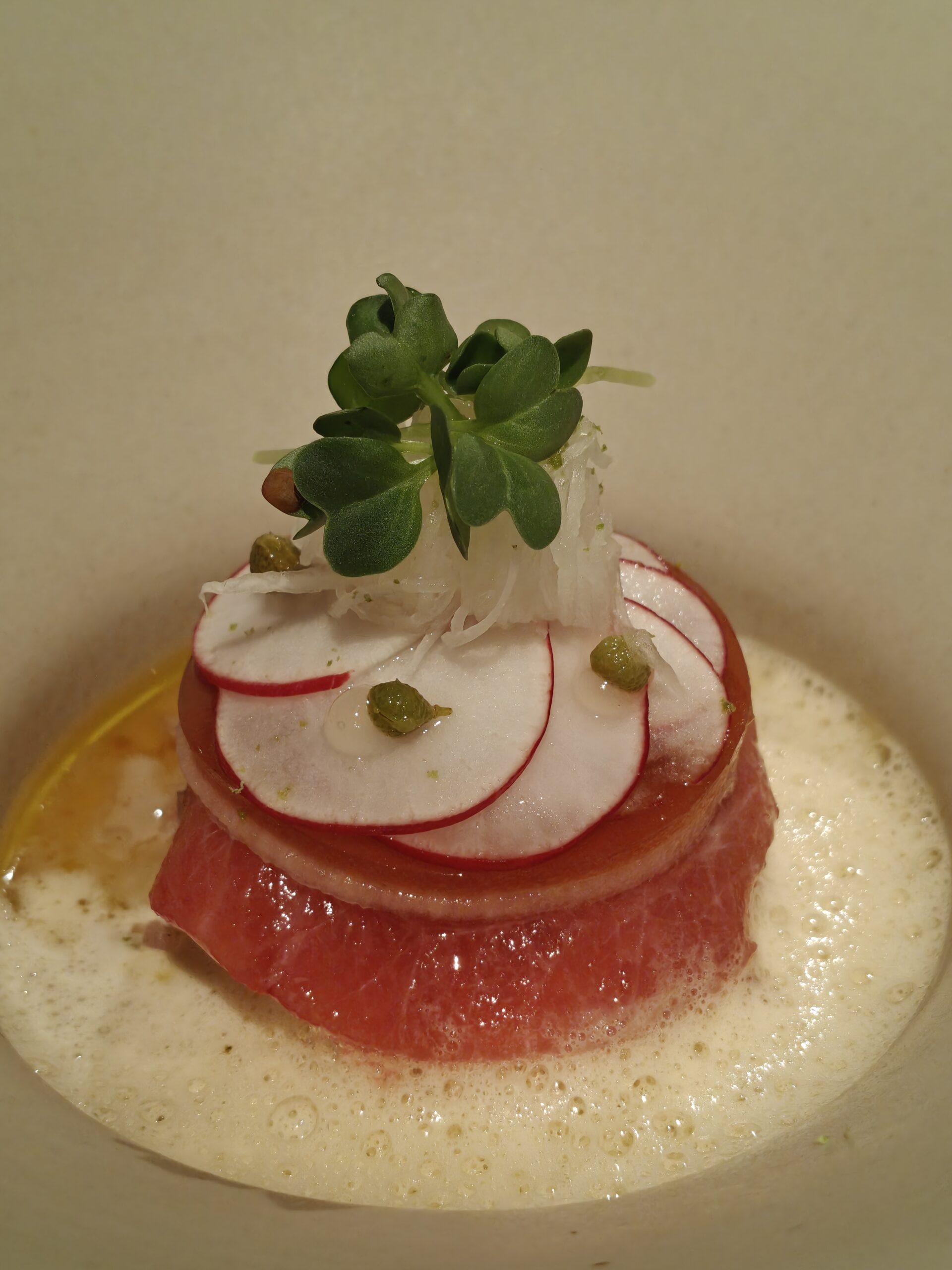
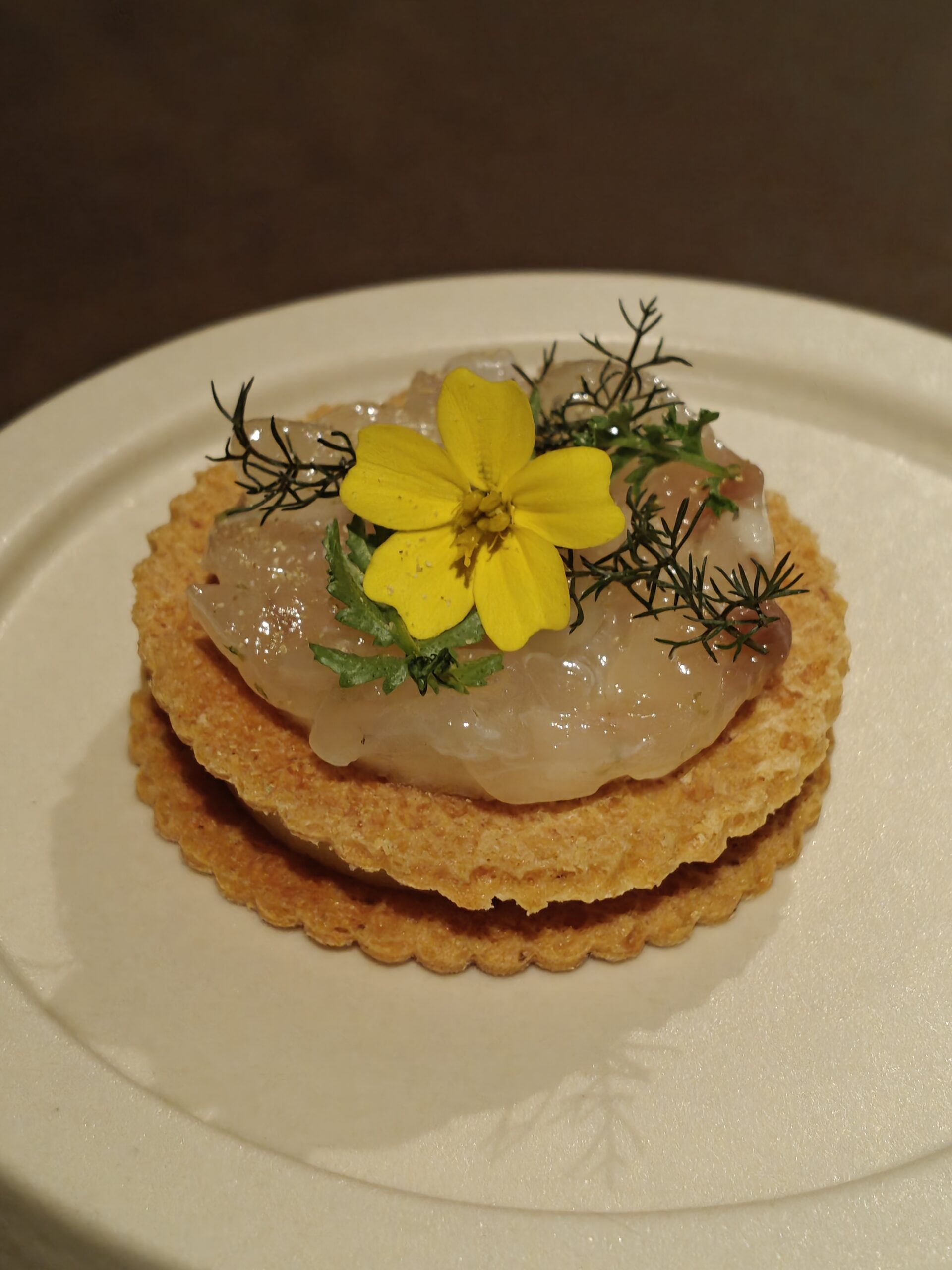
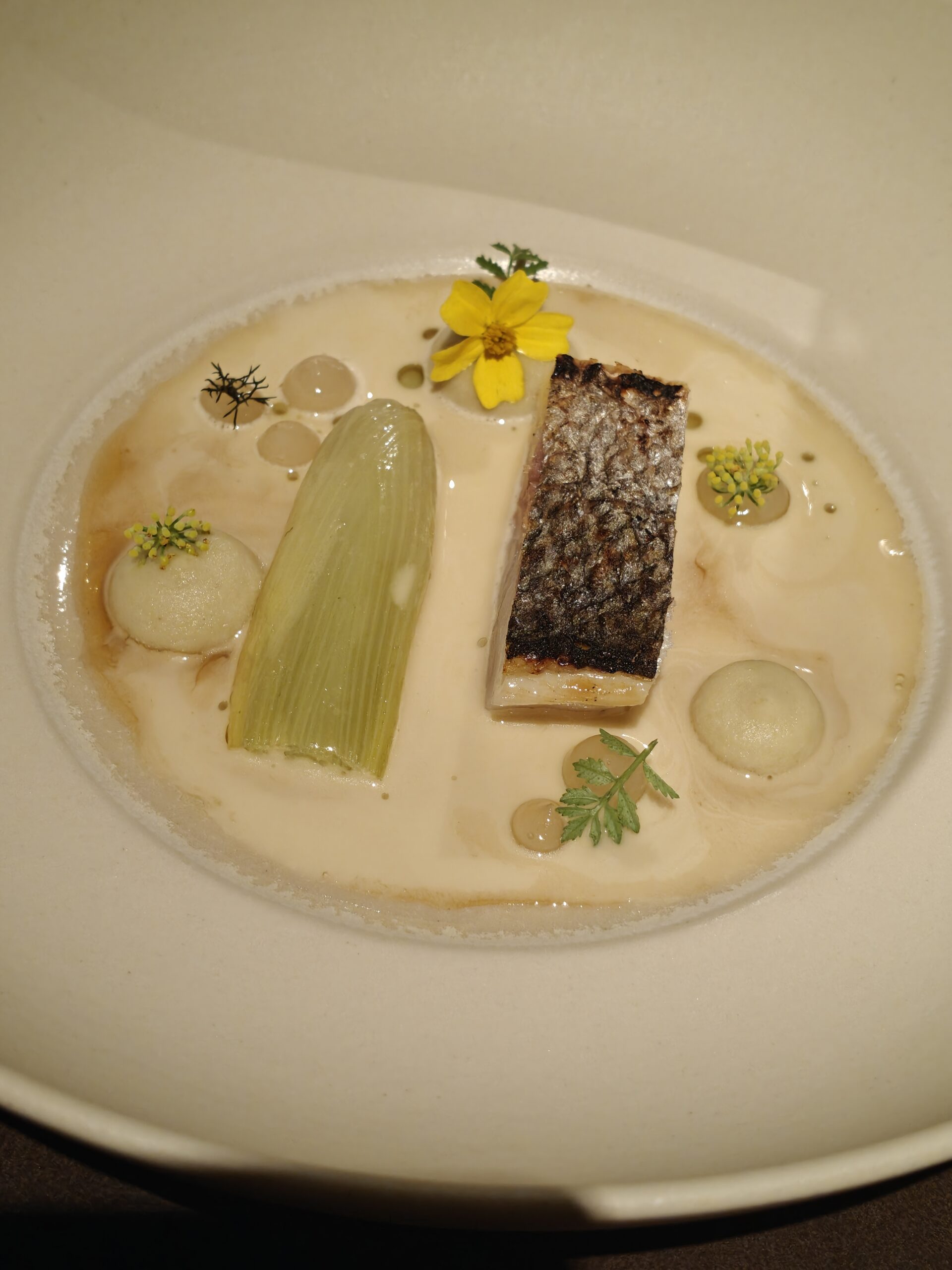
A similar observation could be made with the Bluefin tuna otoro paired with finger lime and yuzu kosho. Before the tuna itself was presented, an accompanying tartlet arrived featuring a collection of carefully chosen ingredients designed to prepare the palate. The individual elements made sense and were thoughtfully selected, yet together they once again lacked some of the freshness that seemed to be the intended direction. The main preparation of the Bluefin tuna, however, proved more successful. Here the freshness expressed by the finger lime and yuzu kosho came through much more clearly, creating a dish that felt balanced and focused.
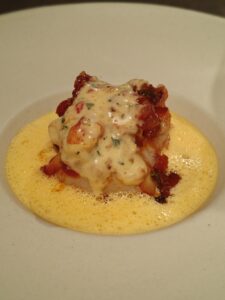
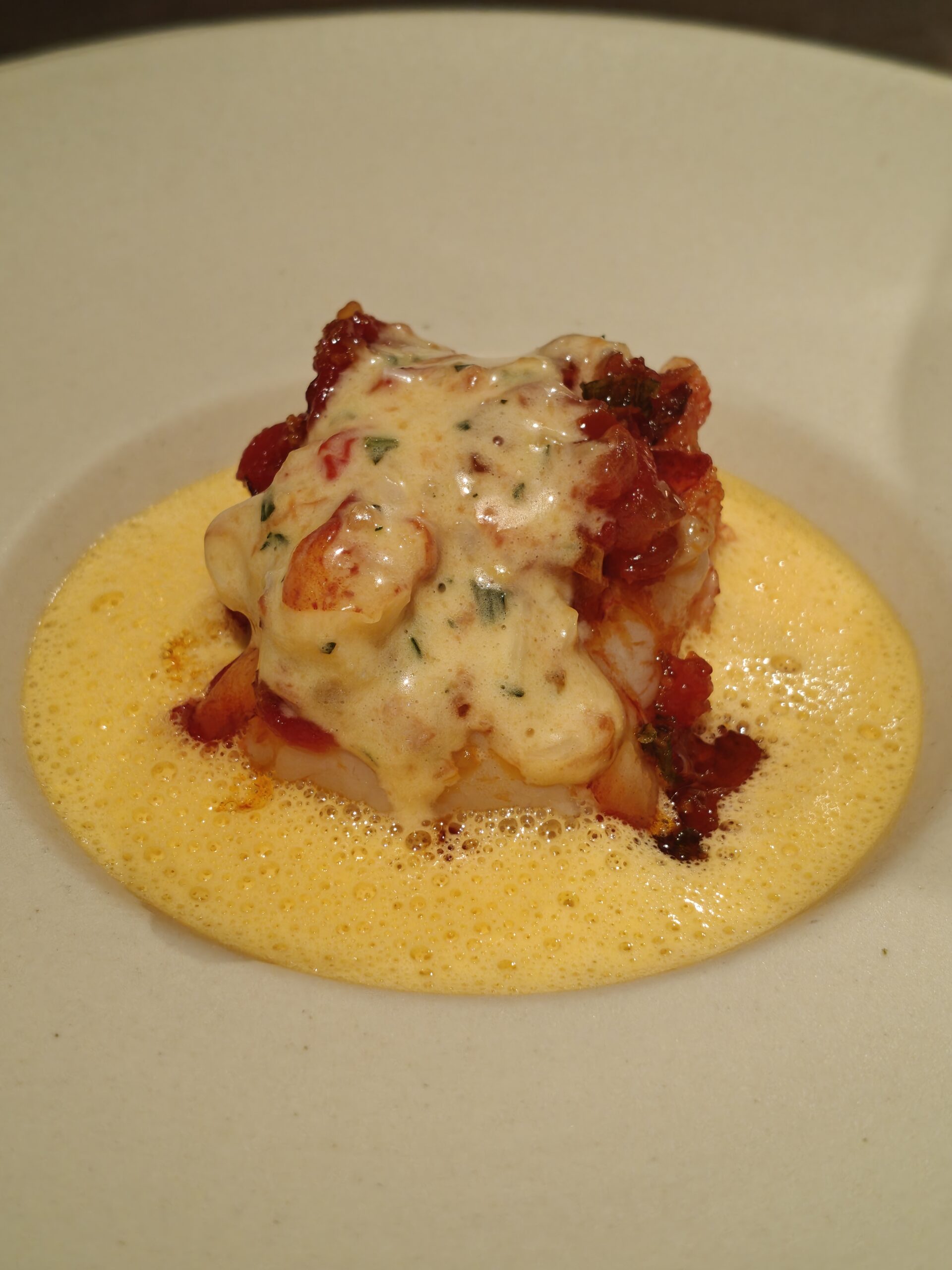
The evening truly reached a higher level with the Canadian lobster. Combined with fermented tomato and chilli, it represented the first genuine highlight of the menu. The dish demonstrated what some of the earlier courses had been striving towards: multiple complex elements coming together in complete harmony. None of the components dominated or felt disconnected. Instead, they blended seamlessly into a coherent whole, creating a dish where the complexity enhanced rather than distracted from the experience.
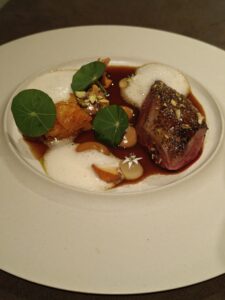
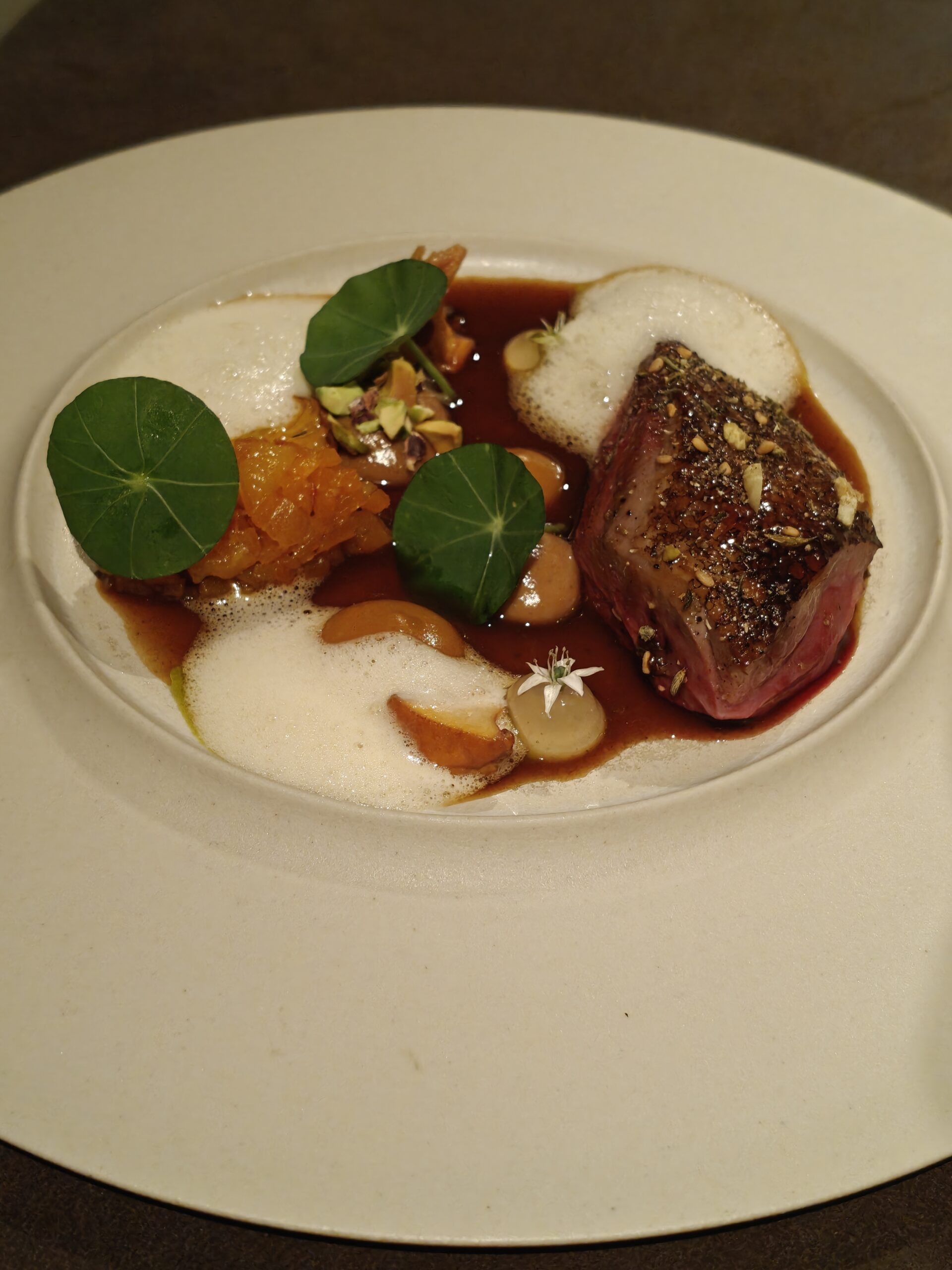
A second standout arrived later in the form of Racan pigeon. While many restaurants rely on technical precision alone to impress, this dish succeeded because it felt confident and composed. It delivered both depth and clarity, earning its place among the strongest courses of the evening.
The menu as a whole revealed an interesting contrast. On one hand, the dishes were undeniably complex, featuring numerous ingredients and layers of flavour. On the other hand, the resulting taste profiles were never overwhelmingly complicated. The chef clearly strives for refinement and balance rather than sheer intensity. Yet throughout several courses there remained the impression that the final harmony between all ingredients could be improved further. The individual components often displayed quality and purpose, but the overall blending did not always achieve the seamless integration found in the evening’s best dishes, such as the Canadian lobster.
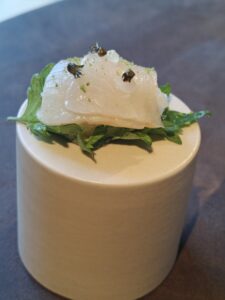
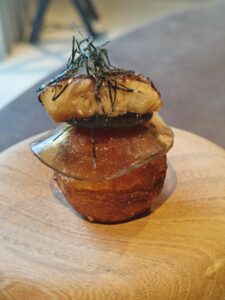
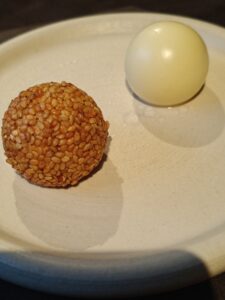
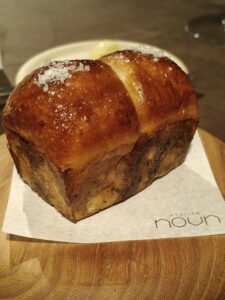
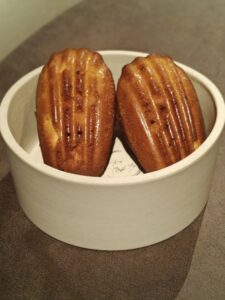
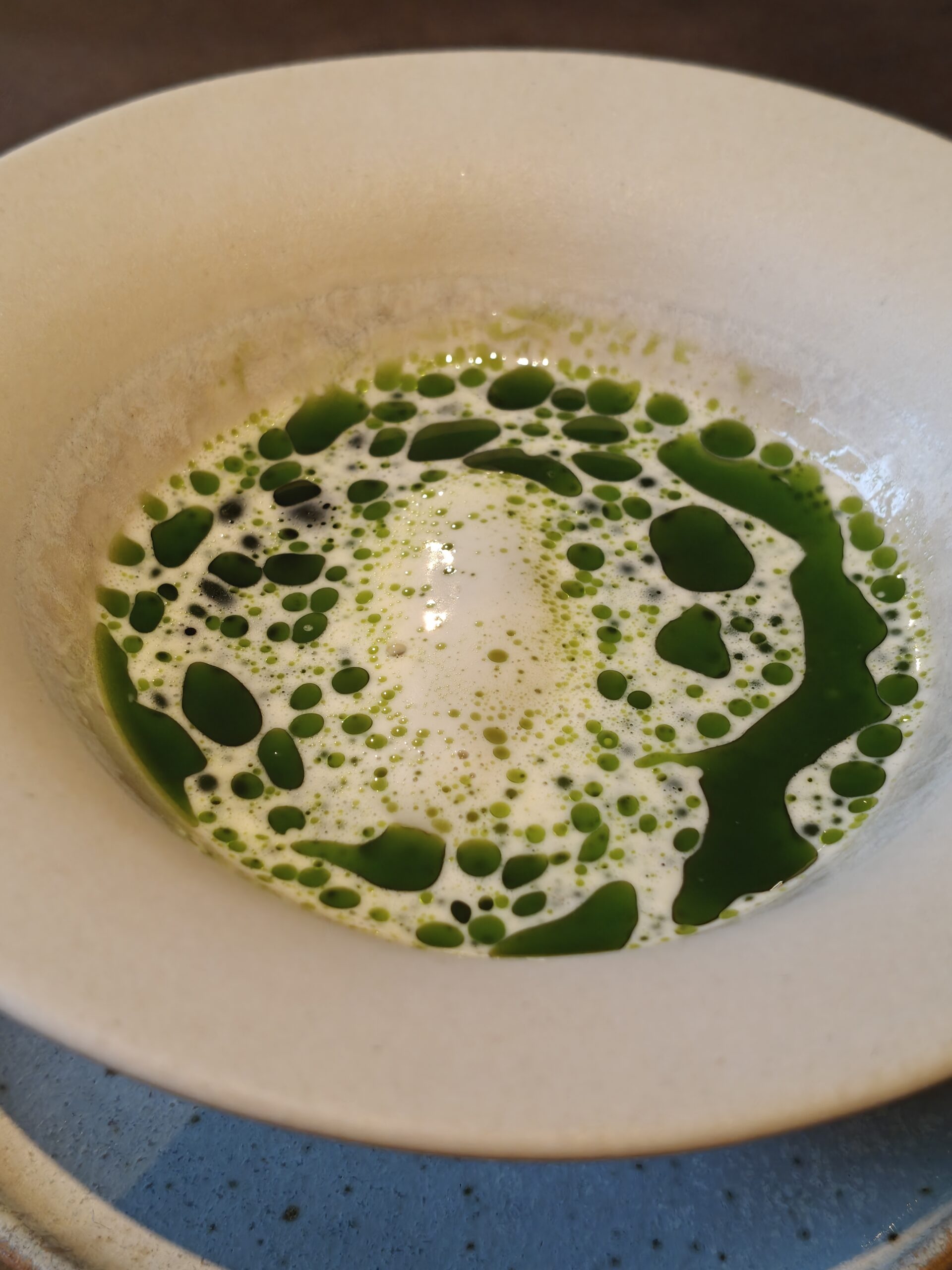
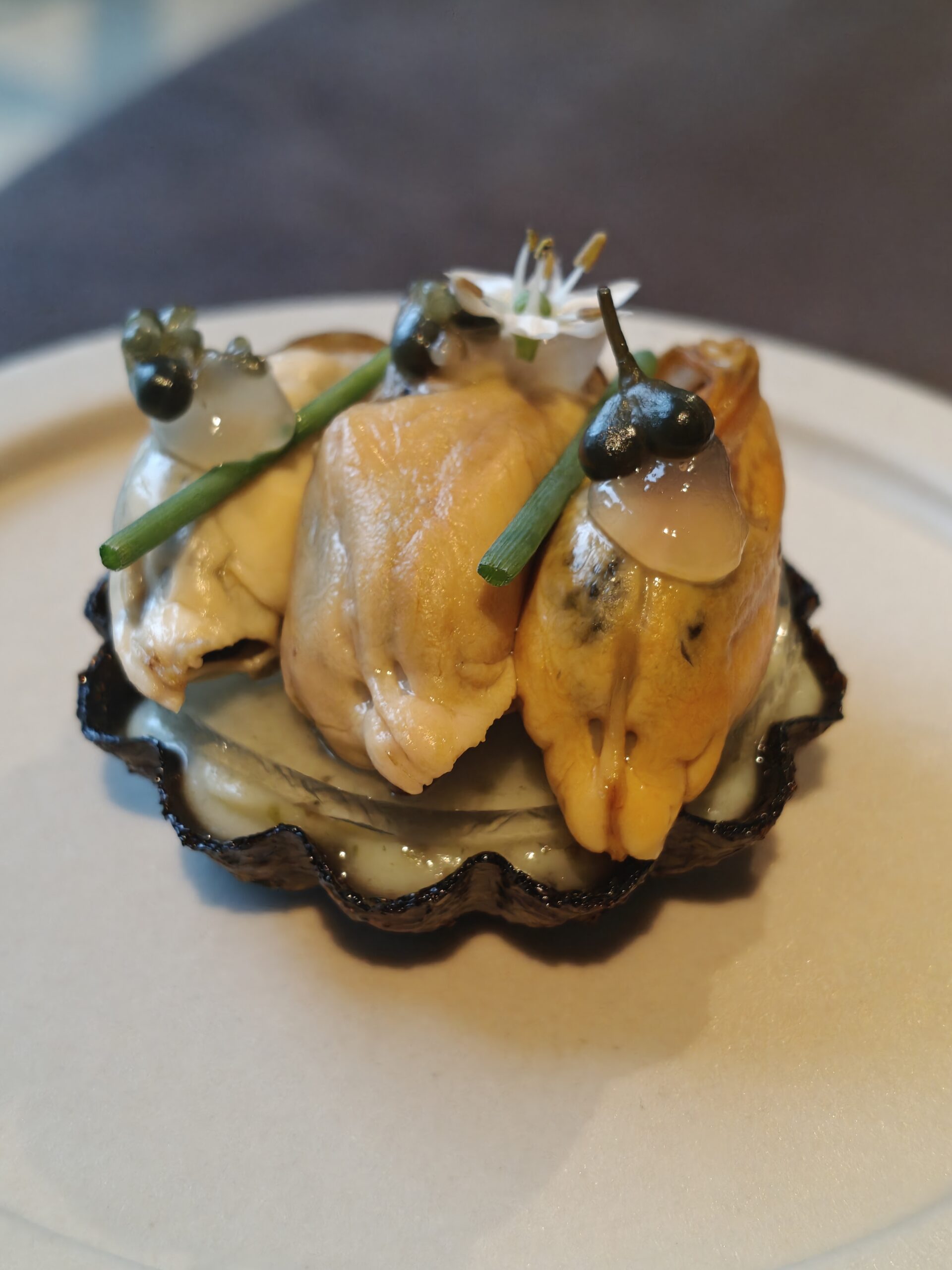
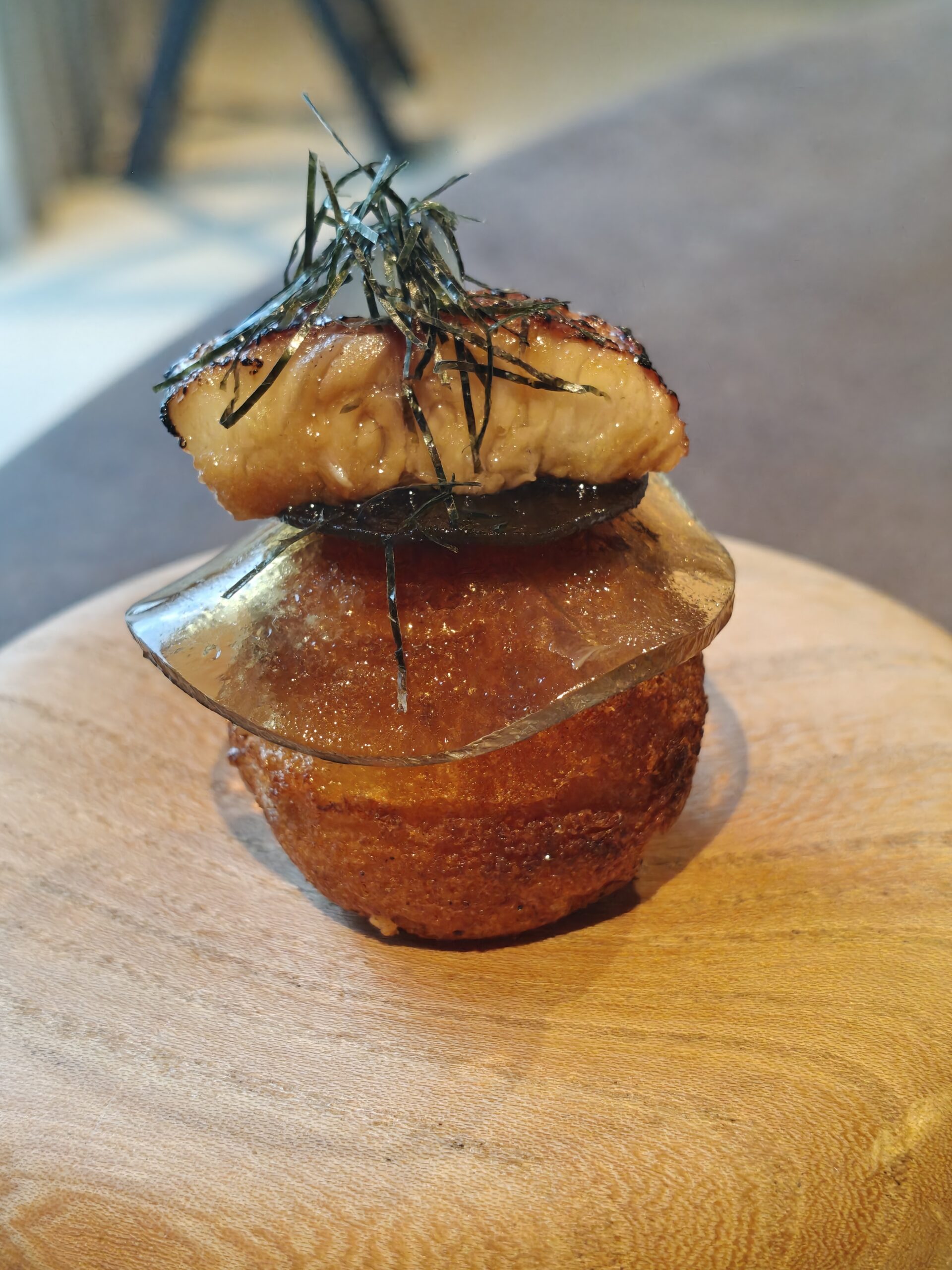
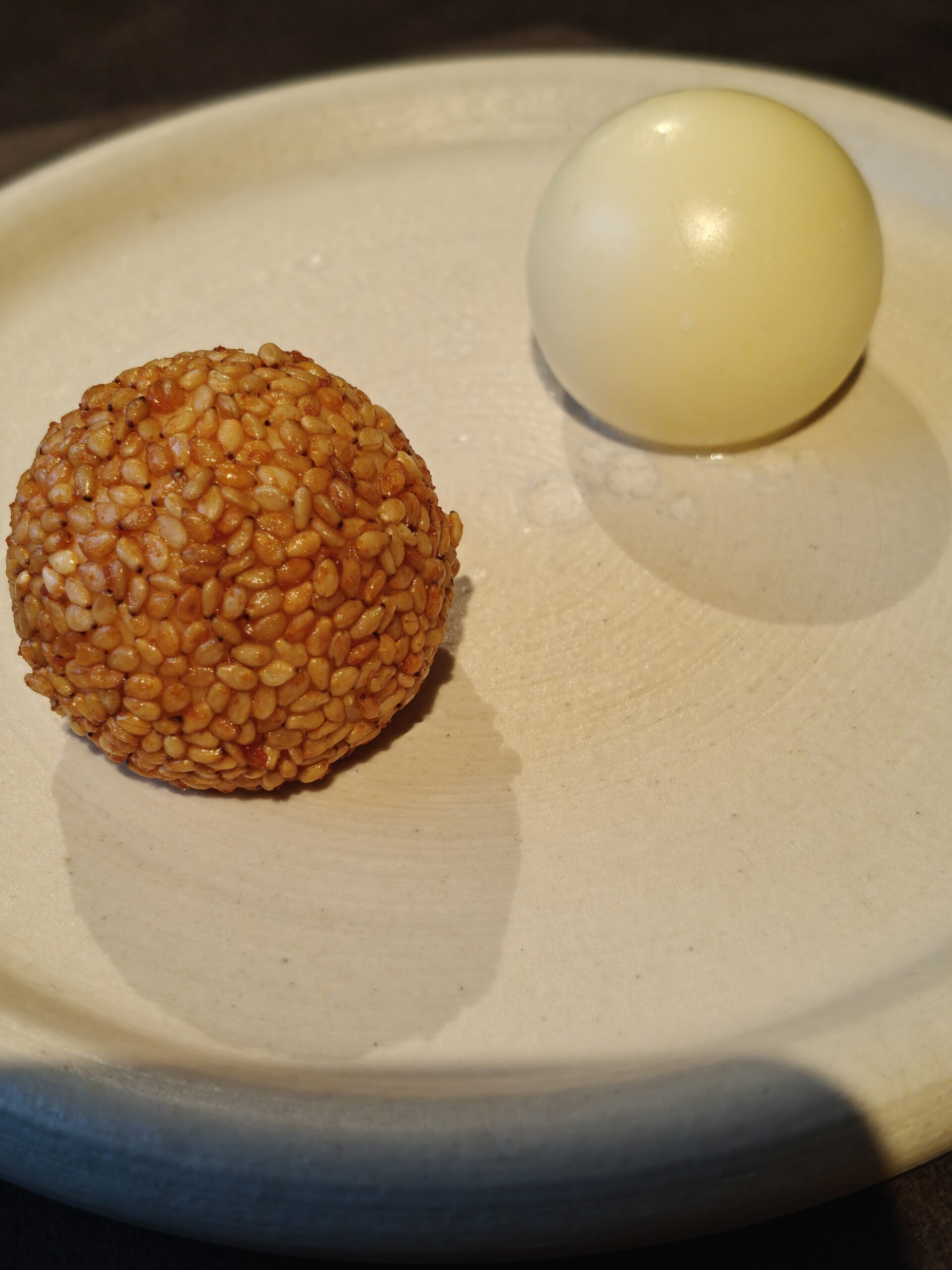
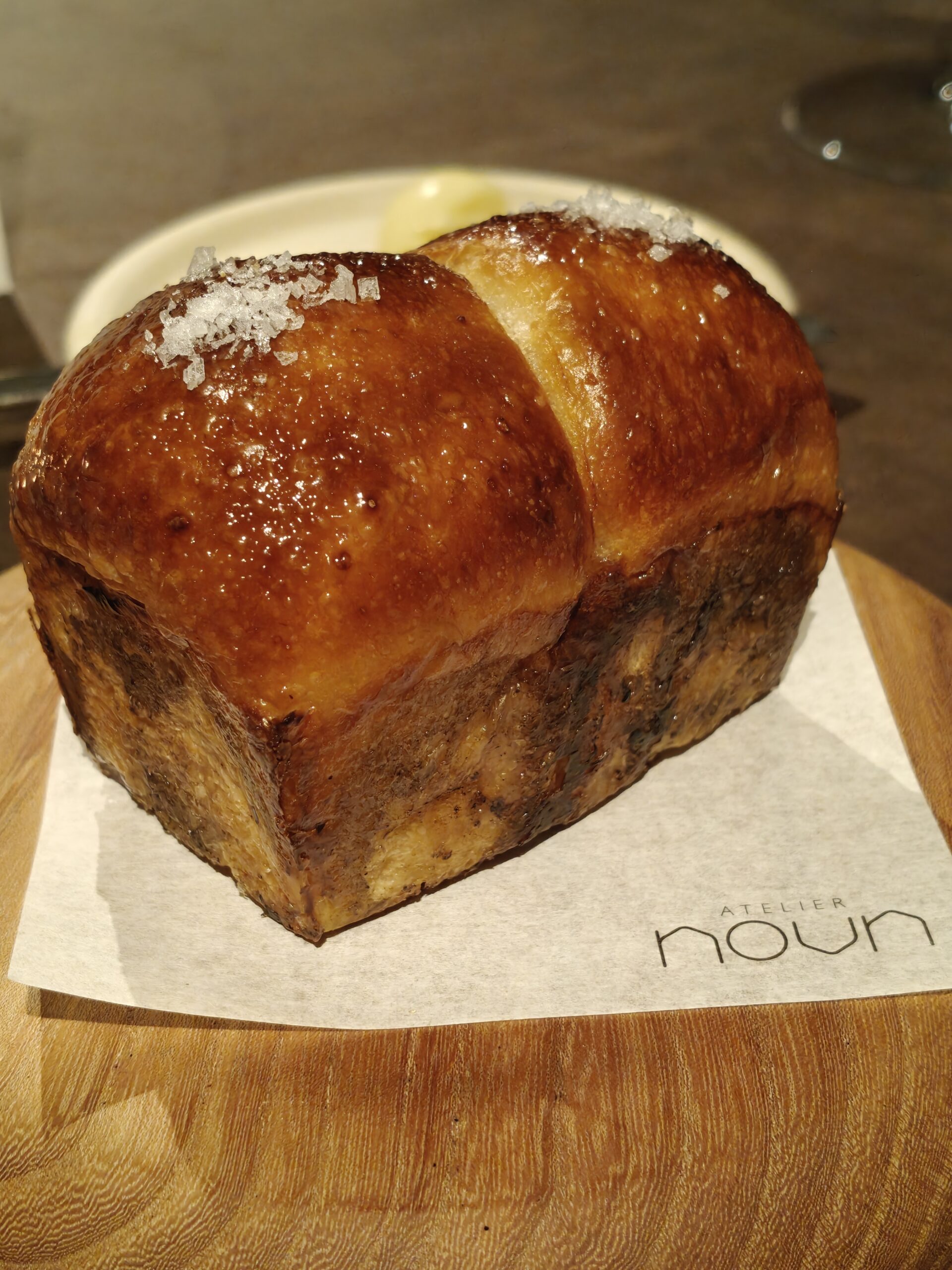
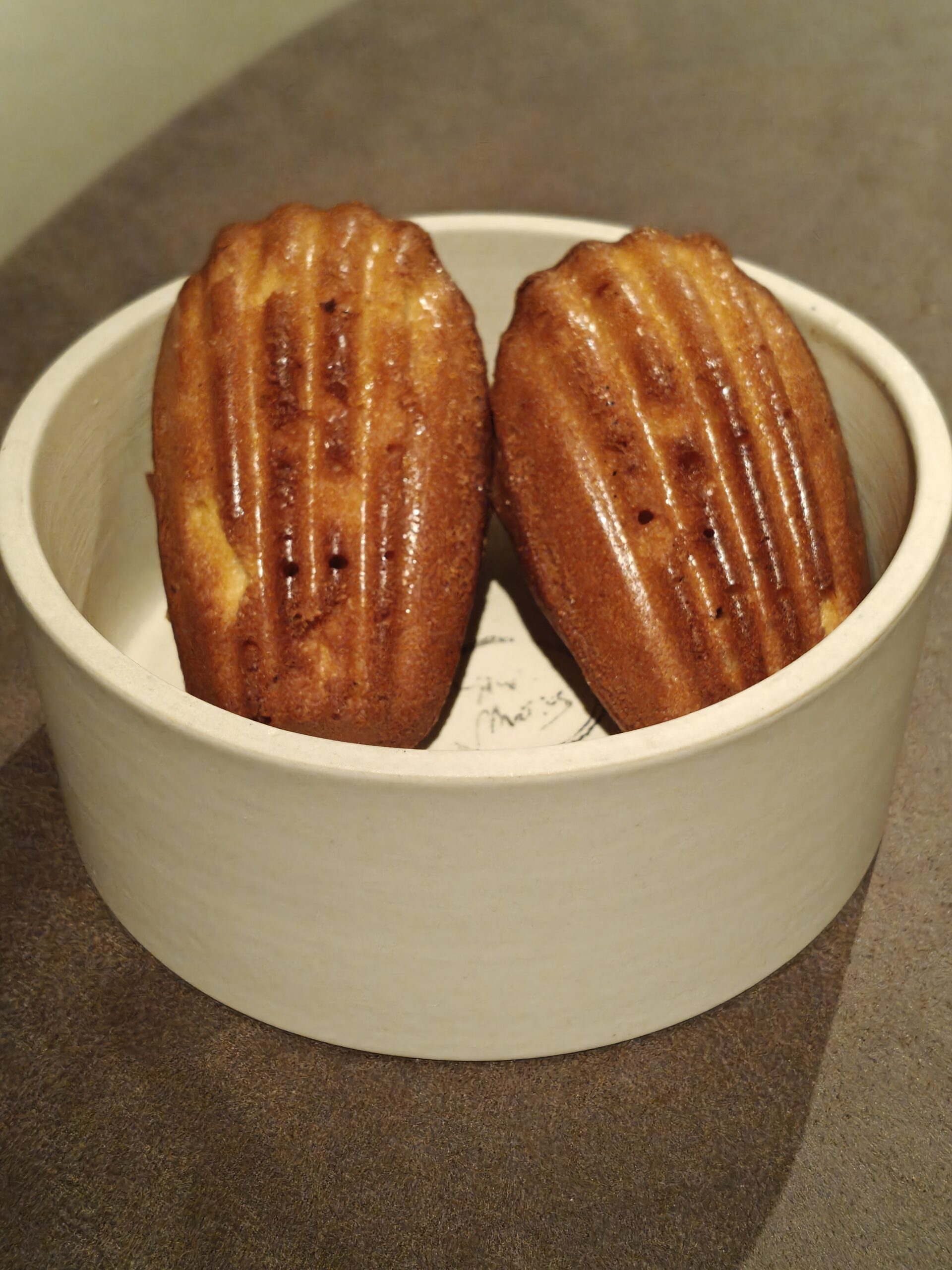
Portion sizes deserve special mention. Fine dining is often associated with restraint, but Atelier Noun takes a different approach. The servings were generous throughout the evening, including the amuse-bouches. Rather than functioning as mere introductions, these opening bites already provided substantial content. Guests arriving with expectations of a highly minimalist tasting menu may be surprised by the generosity shown from beginning to end.
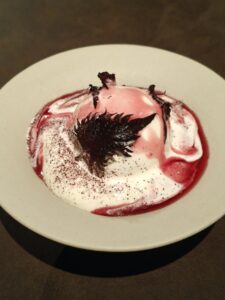
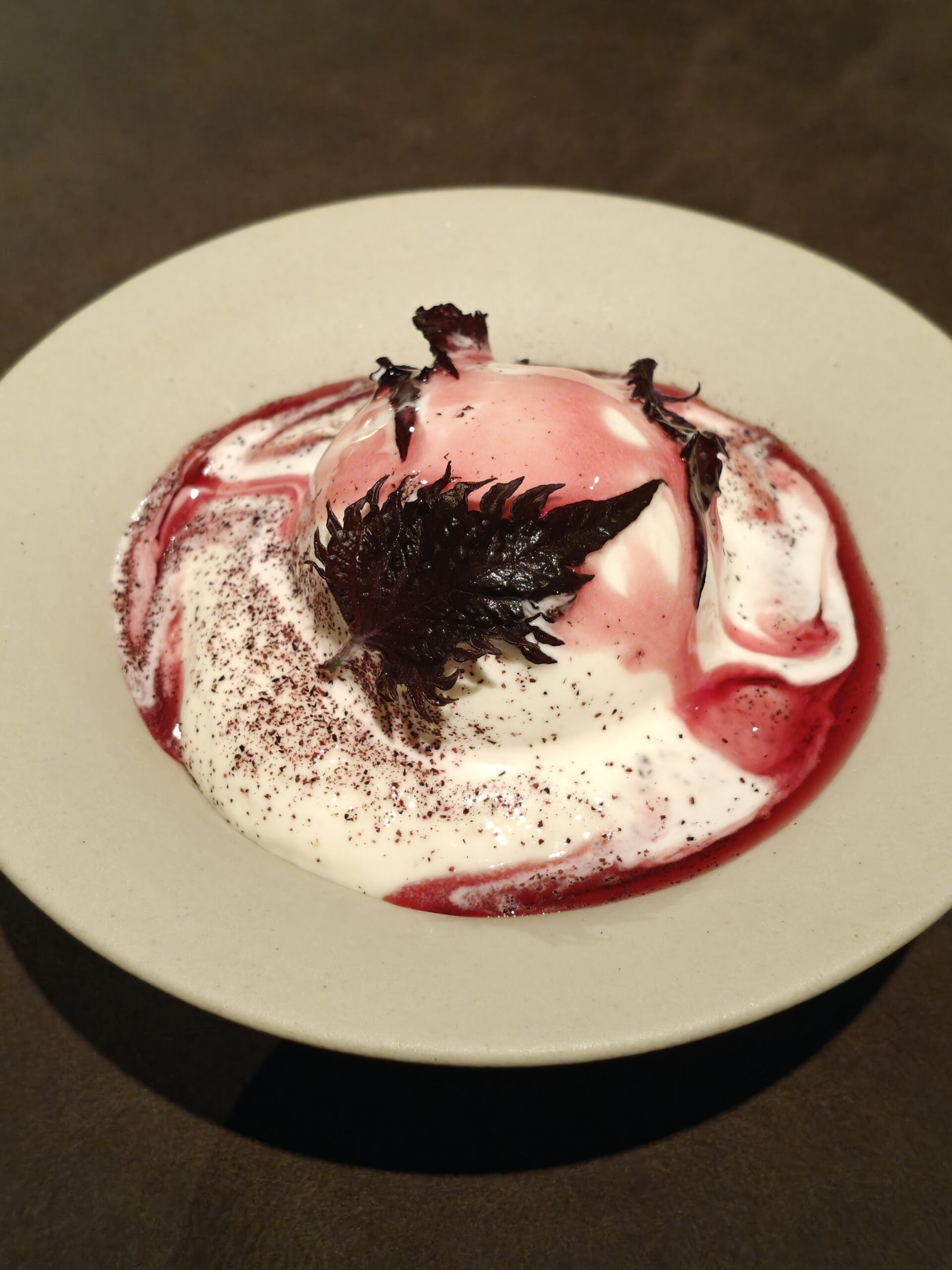
The meal concluded on a refreshing note with a dessert built around straggisto yoghurt, red perilla and pomegranate. After a menu that frequently explored richer and more layered combinations, the dessert offered welcome brightness and lightness. It was a fitting conclusion that left the palate refreshed rather than weighed down.
Ultimately, Atelier Noun is a restaurant where personality plays as important a role as culinary ambition. The presence of both Bert Castermans and Sandra Ponchaut can be felt throughout the entire experience, from arrival to departure. The menu demonstrates creativity, technical skill and a clear desire to build complex flavour combinations. While some dishes suggest there is still room for greater harmony in the way those combinations come together, the evening also delivered several memorable highlights. Combined with generous portions, attentive hospitality and a genuine sense of personal involvement from the owners, Atelier Noun offers a dining experience that remains distinctly its own within the Belgian fine dining landscape.
Chef: Bert Castermans
Date of visit: September 12th 2026
Website: https://www.ateliernoun.be/en
Michelin: 1 star
Gault & Millau: 15