
in Leuven, Belgium
Convento Wijnbistro: Where Leuven’s Wine Heritage Meets Peruvian Creativity
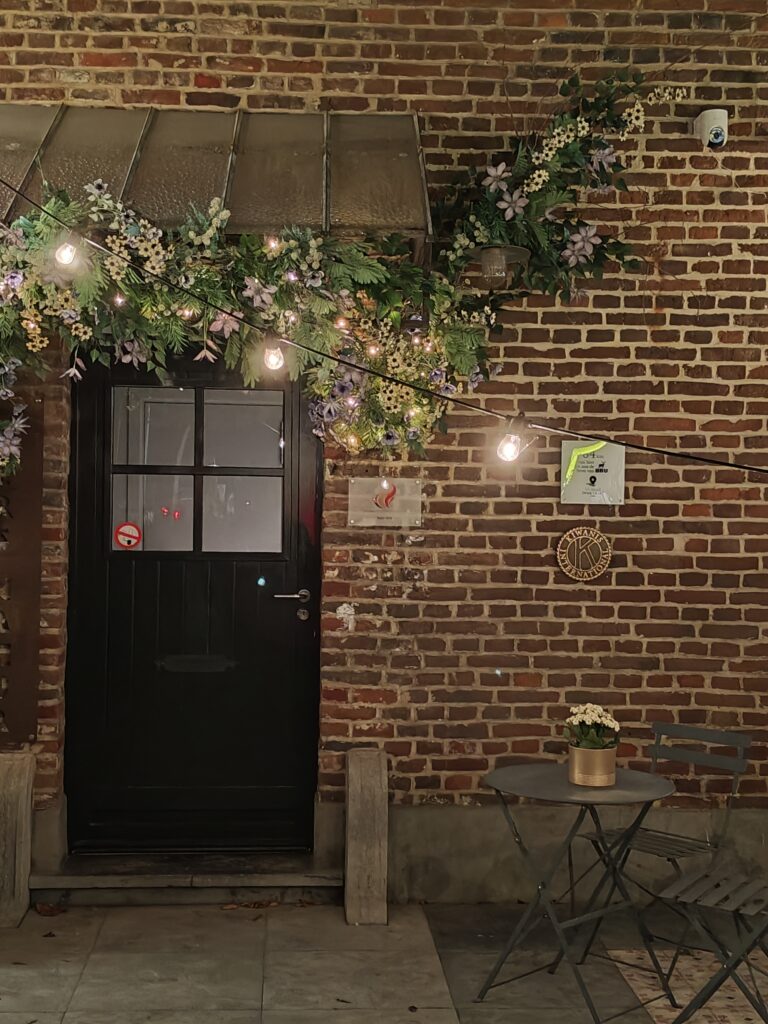
Tucked away on Leuven’s charming Mechelsestraat, only a short walk from the lively Vismarkt, Convento Wijnbistro has quietly become one of the city’s most compelling gastronomic addresses. Set inside a characterful historic building, the restaurant strikes a delicate balance between the welcoming atmosphere of a neighbourhood bistro and the ambition of a contemporary dining destination. It is a place where wine, culinary craftsmanship and personal hospitality come together to create an experience that feels both refined and remarkably approachable.
Convento’s story is deeply connected to Leuven’s wine culture. Long before it became known for its kitchen, the name Convento had already earned a strong reputation among local wine enthusiasts through its wine business. That foundation remains at the heart of the restaurant today. Since taking over the business in 2023, sommeliers Tom De Praetere and Olivier Pareit have continued to build on that legacy, shaping a venue where wine is not simply an accompaniment to dinner, but an integral part of the overall experience.
The pair have successfully preserved Convento’s identity as a wine-focused destination while allowing the kitchen to develop its own distinctive voice. That voice belongs to chef Pablo Rios, whose international background has brought a fresh energy and perspective to the restaurant.
Originally from Peru, Rios discovered his love for cooking at a young age. Inspired by family traditions and in particular by his grandmother, food became an important part of his life long before he entered a professional kitchen. His culinary journey eventually led him to Belgium, where he transformed a personal passion into a career. Today, his cooking reflects a fascinating combination of South American heritage, global influences and the technical precision expected in the modern European dining scene.
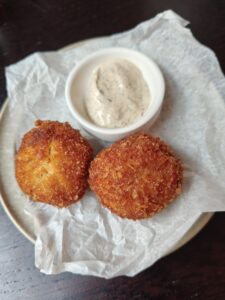
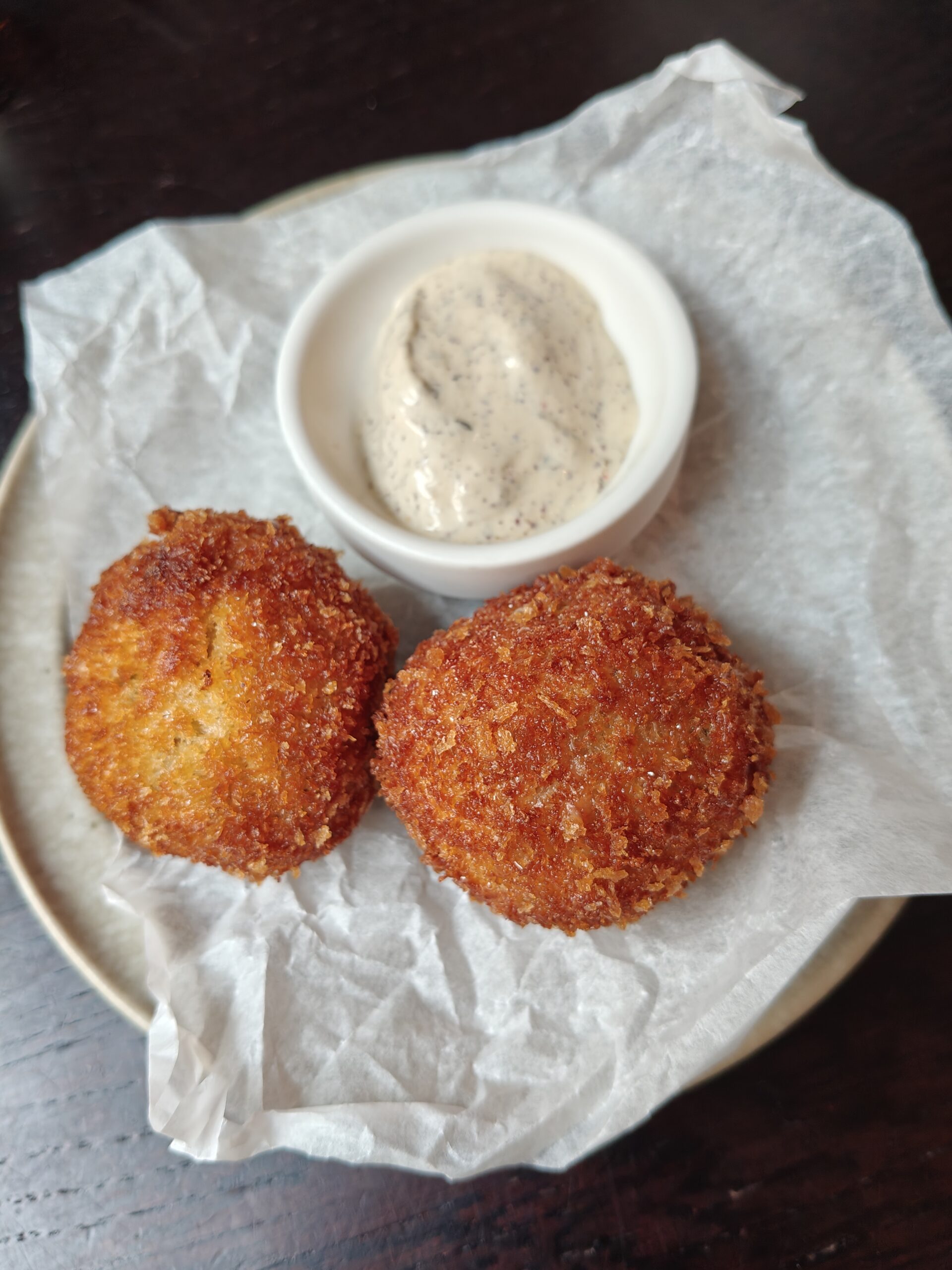
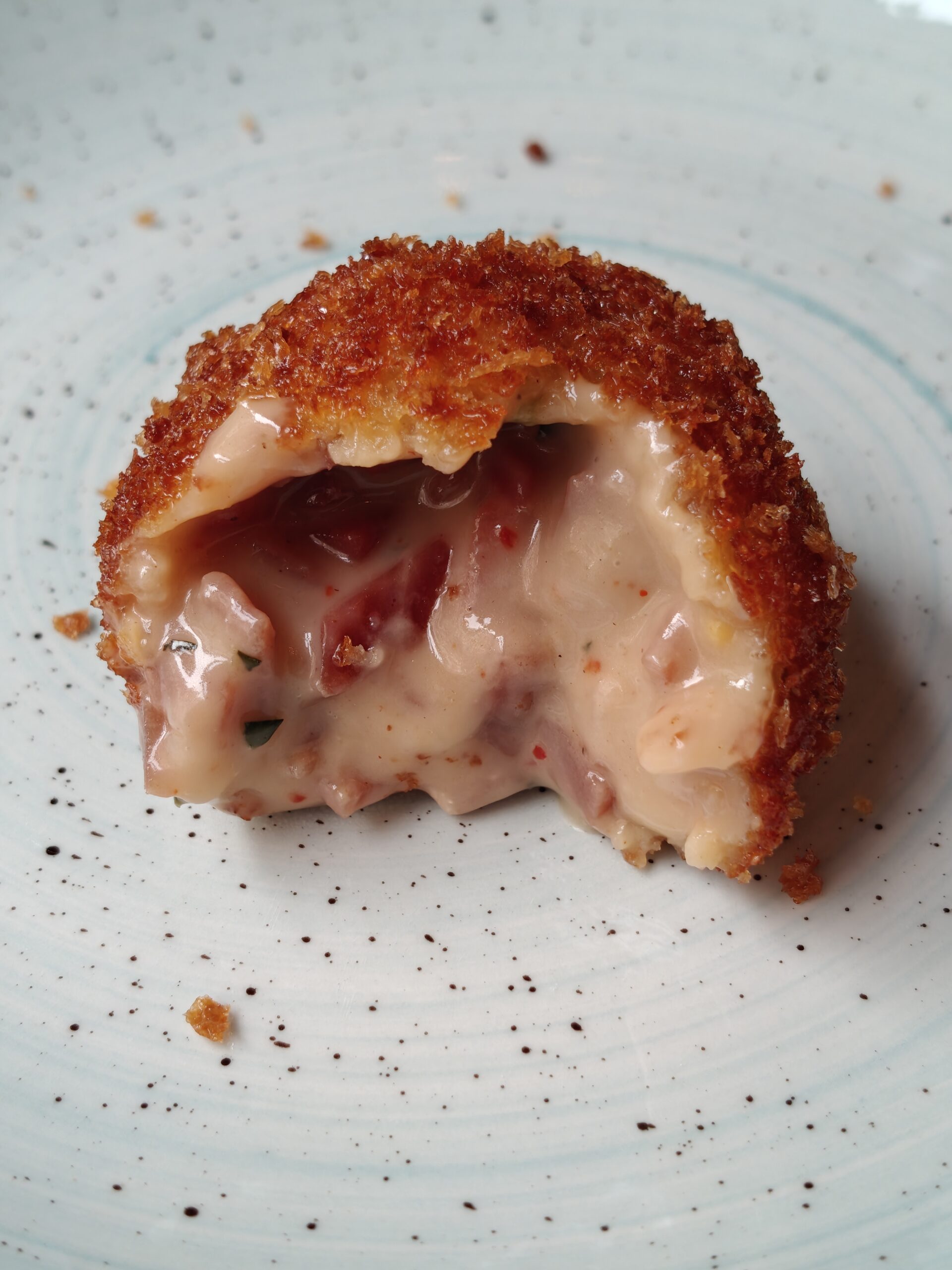
This multicultural identity becomes apparent from the very first bites. A recent visit began with an Iberico croquette, an appetiser that immediately set the tone for the evening. The croquette delivered everything one hopes for from such a classic preparation: a perfectly crisp exterior giving way to a rich, creamy filling studded with pieces of deeply flavoured Spanish ham. It was comfort food elevated through quality ingredients and careful execution.
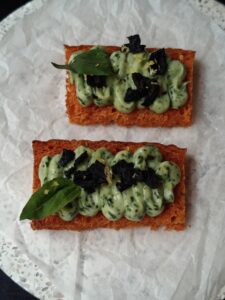
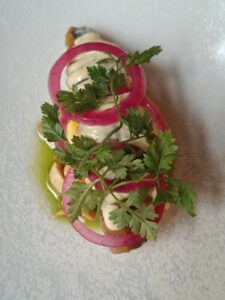
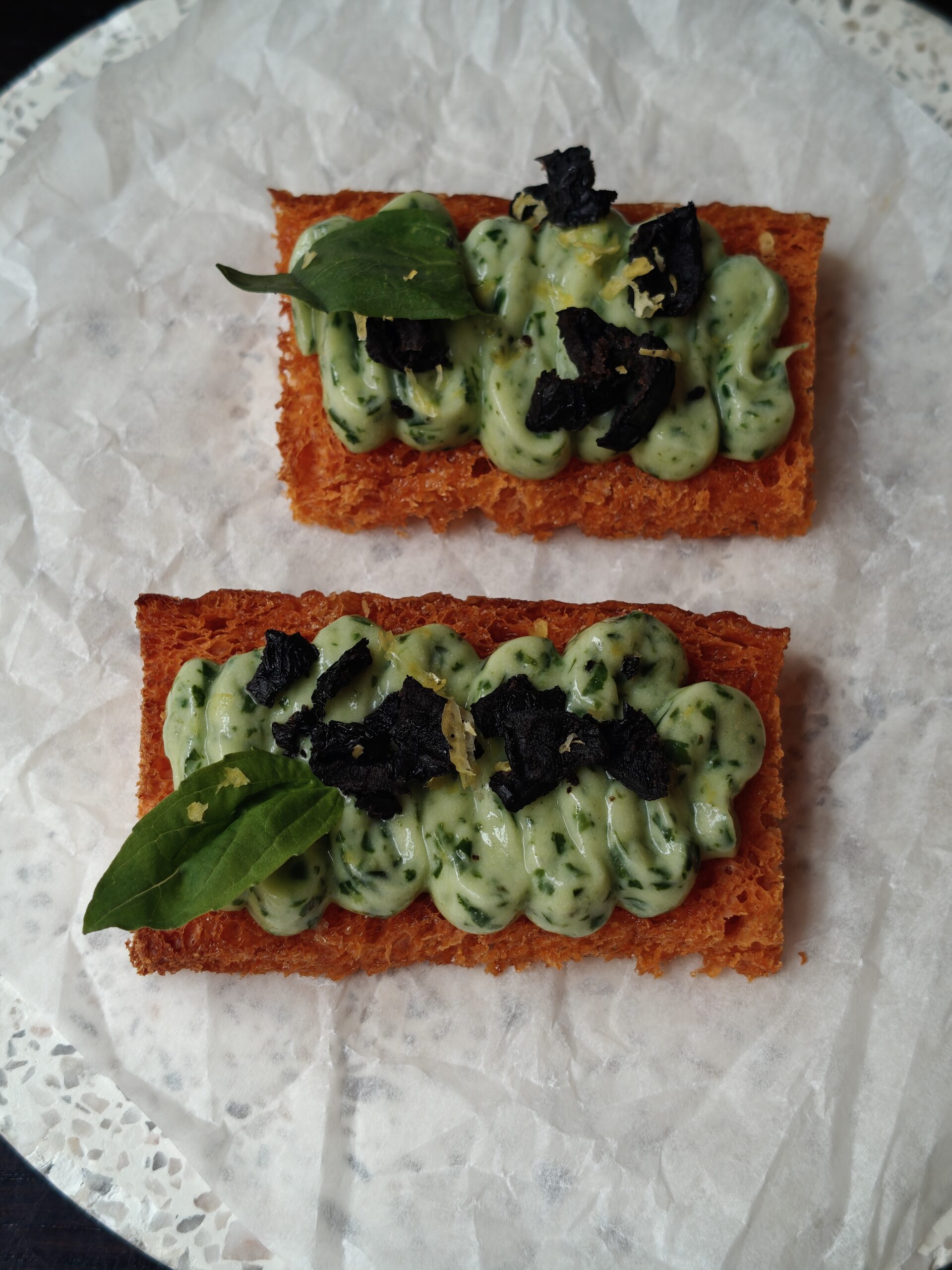
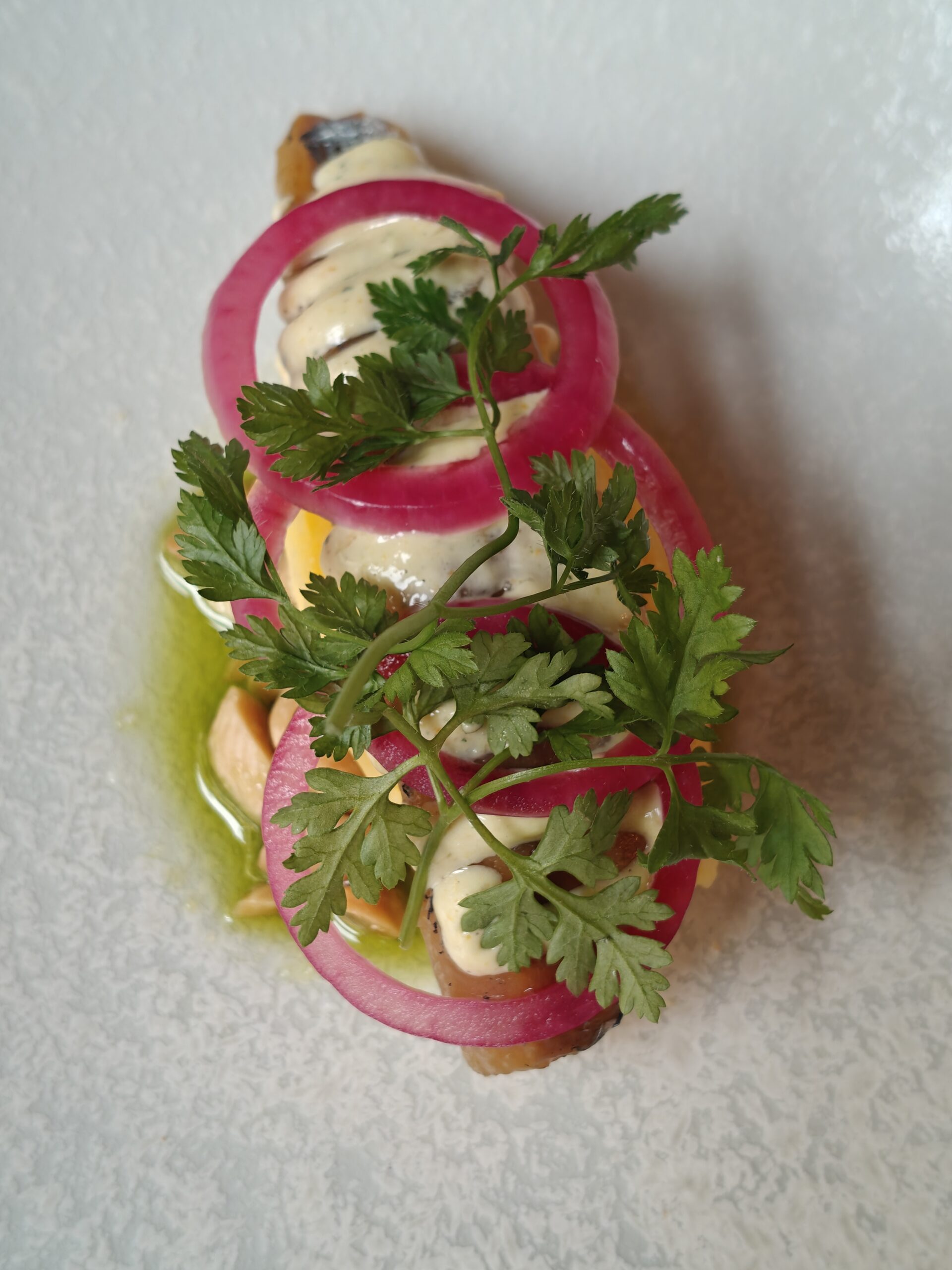
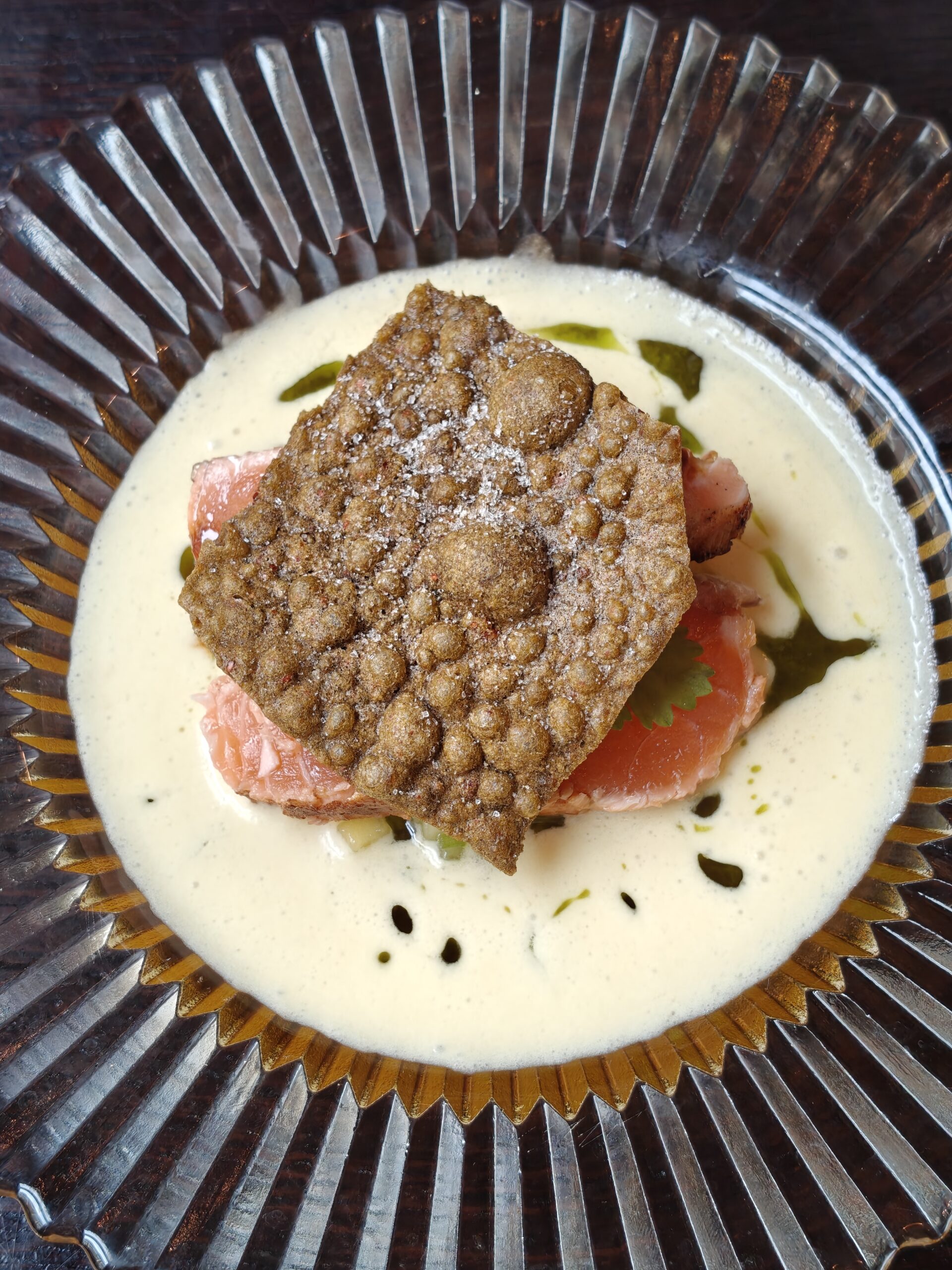
The starters that followed revealed more of Rios’ culinary personality. Both dishes showcased an intriguing dialogue between Japanese techniques and flavours and the chef’s Peruvian roots. These influences never felt forced or overly conceptual. Instead, they emerged naturally through carefully considered combinations and subtle details. Throughout the dishes, small bursts of chilli pepper appeared unexpectedly, adding moments of heat that enlivened the palate without overwhelming the delicate balance of flavours.
This willingness to combine traditions from different culinary cultures is one of Convento’s greatest strengths. Too often, fusion cuisine risks becoming confusing or gimmicky. Here, however, the influences are integrated with confidence and restraint. Japanese precision, Peruvian vibrancy and European ingredients coexist harmoniously, resulting in dishes that feel original yet accessible.
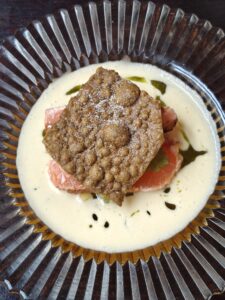
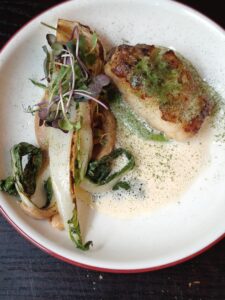
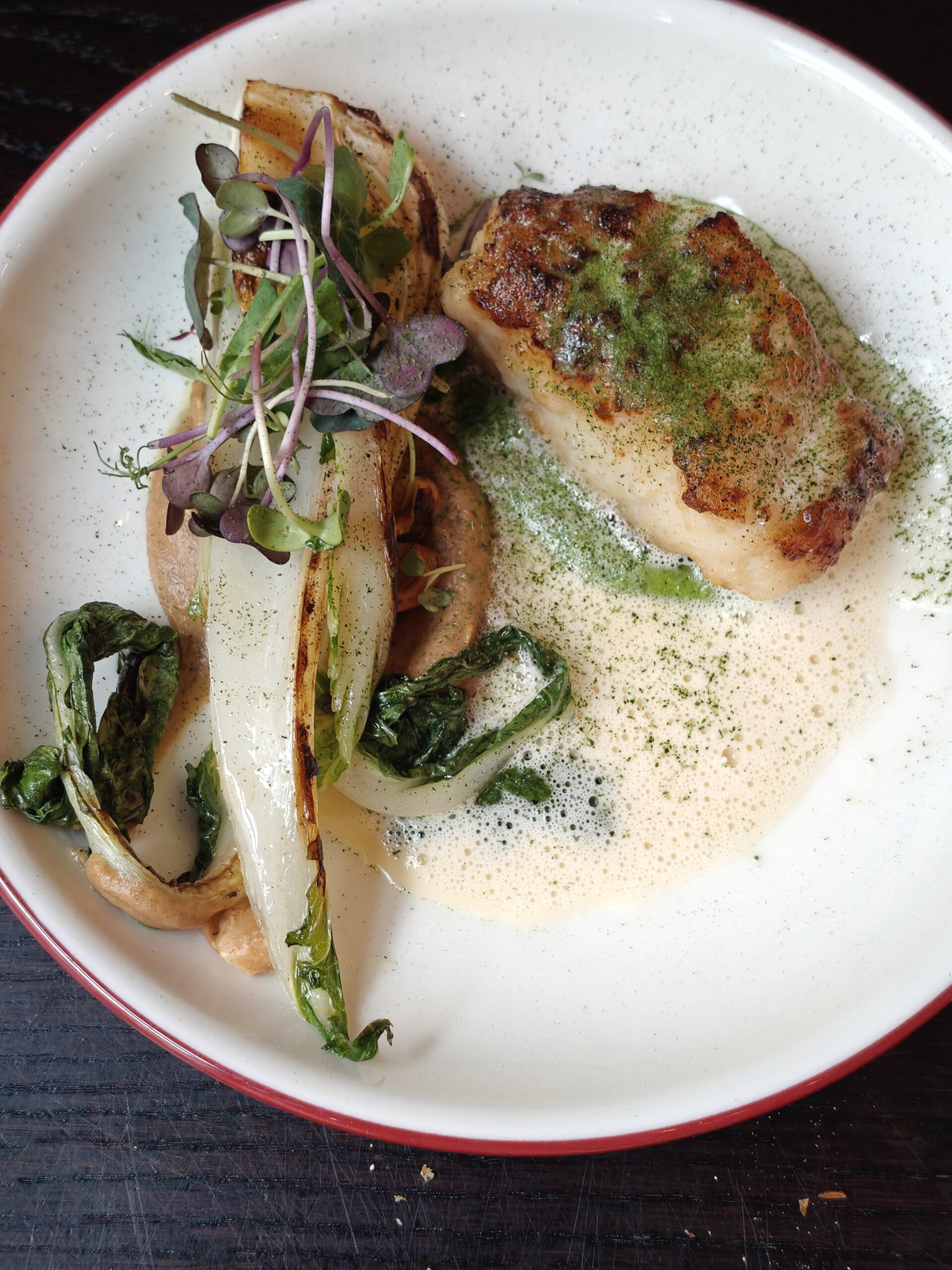
For the main courses, the kitchen continued to explore distinctive flavour combinations. The monkfish demonstrated the kitchen’s technical ability, with the fish cooked beautifully and retaining its delicate texture. An accompanying sauce built around nuts added richness and a surprising dimension to the dish. While the flavour combination was certainly inventive, the quantity of the nut-based element occasionally dominated the subtle character of the fish. A slightly lighter hand might have resulted in an even more balanced composition.
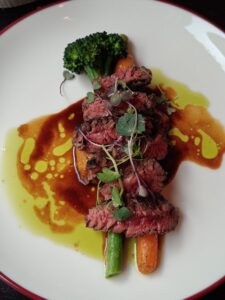
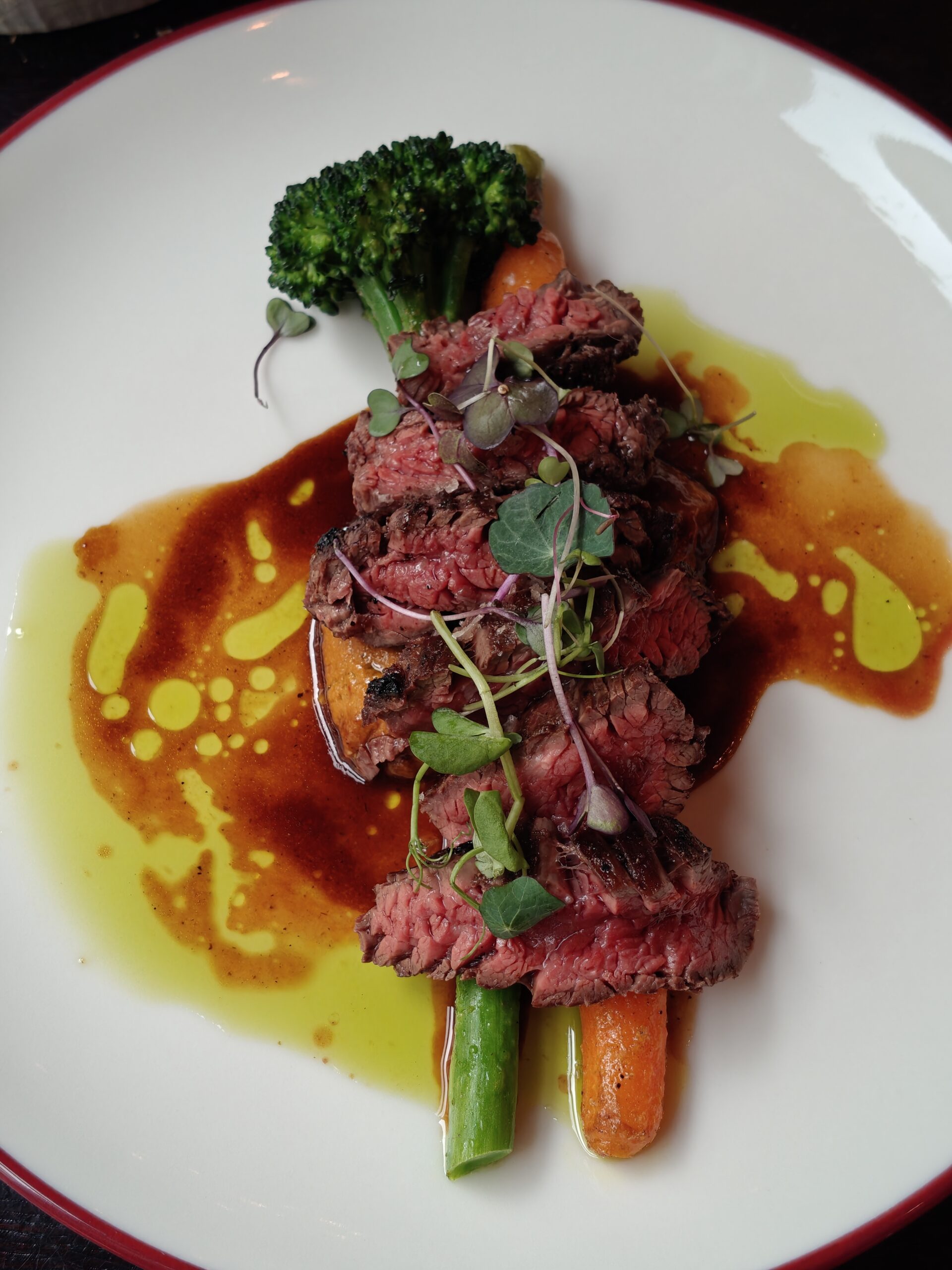
The Holstein onglet provided a different expression of the same idea. Here too, the kitchen employed a nut-based sauce or cream as a central component, bringing depth and originality to the plate. The earthiness and richness of the accompaniment paired naturally with the robust flavour of the beef, creating a dish that felt both comforting and contemporary.
What stood out across the meal was a clear desire to avoid the predictable. Rather than relying on familiar luxury ingredients or overly complex presentations, Convento demonstrates creativity through flavour combinations and cultural dialogue. The cooking remains grounded in pleasure, never losing sight of the simple objective of serving food that people genuinely enjoy eating.
Yet if the cuisine gives Convento its identity, the service elevates the experience further.
One of the most memorable aspects of the evening was the quality of the front-of-house team. Service was warm, efficient and highly knowledgeable without ever becoming formal or intimidating. Conversations flowed naturally, and every question received a thoughtful answer.
Particularly impressive was an assistant sommelier who revealed an unusual dual role within the restaurant. In addition to working in the dining room, he also spends time assisting in the kitchen when required. This combination proved invaluable from a guest perspective. Because of his hands-on involvement with the food preparation, he possessed an exceptionally detailed understanding of every dish that left the kitchen.
That knowledge translated directly into thoughtful beverage recommendations. Rather than simply suggesting wines based on broad flavour profiles, he was able to explain specific ingredients and identify pairings that enhanced the nuances of each course. Unsurprisingly, given Convento’s heritage, the wine selections were excellent.
Equally noteworthy was the attention given to guests seeking non-alcoholic options. In many restaurants, alcohol-free pairings remain an afterthought. At Convento, they receive genuine consideration. The restaurant offered several original alcohol-free alternatives that displayed the same creativity and care as the wine programme itself. This commitment to inclusivity reflects the broader philosophy of the restaurant: hospitality is not about imposing a particular experience but about tailoring it to each guest.
In a city blessed with a vibrant and increasingly competitive dining scene, Convento distinguishes itself through authenticity. The restaurant is neither a traditional wine bar nor a formal fine dining establishment. Instead, it occupies a space comfortably between the two. It combines serious culinary ambition with a relaxed atmosphere, international influences with a strong local identity, and technical expertise with genuine warmth.
The collaboration between owners Tom De Praetere and Olivier Pareit and chef Pablo Rios has created something that feels uniquely Leuven. It is a restaurant deeply rooted in the city’s culture while remaining open to inspiration from far beyond Belgium’s borders.
Convento is not striving to impress through extravagance. Its appeal comes from personality, craftsmanship and a genuine passion for hospitality. The result is a dining experience that feels thoughtful, distinctive and memorable.
For visitors seeking an authentic taste of Leuven’s modern food scene, or for locals looking to rediscover the city through a fresh lens, Convento Wijnbistro is well worth the visit. In fact, by the end of the evening, one thought remained unmistakably clear: it is more than enough reason to plan another trip to Leuven.
Chef: Pablo Rios
Date of visit: September 19th 2026
Website: https://www.convento.be/restaurant
Michelin: Selected Restaurant
Gault & Millau: 13