
in Heverlee, Belgium
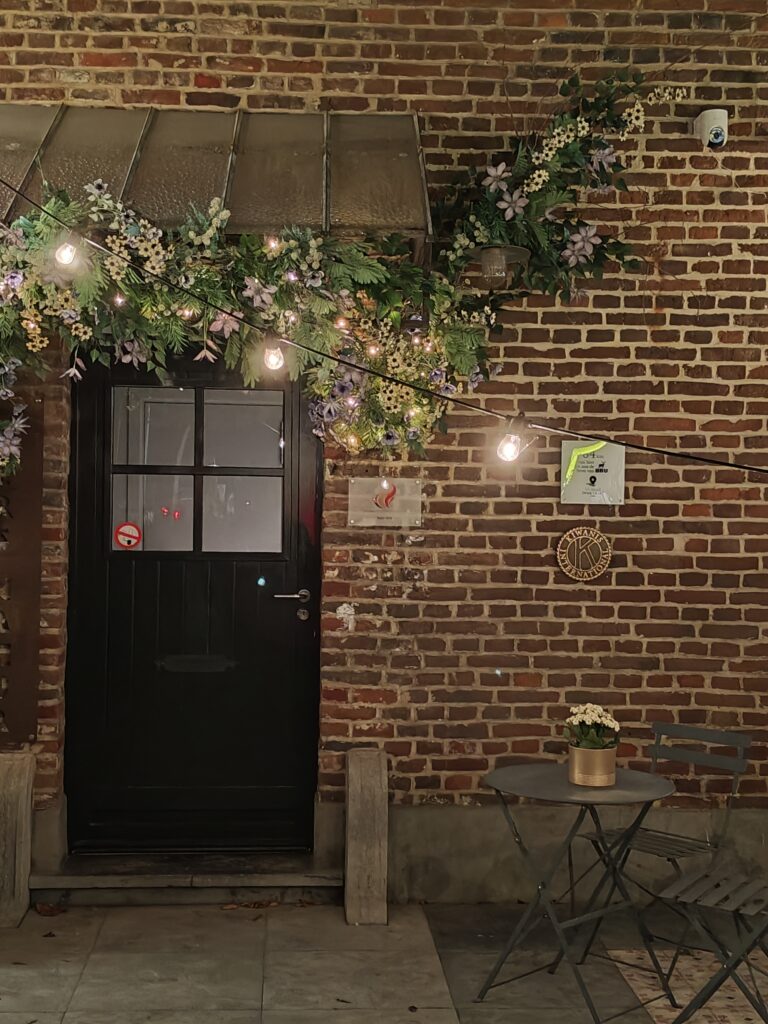
Located on the Léon Schreursvest in Heverlee, just outside the bustling centre of Leuven, Het Land aan de Overkant has long been a fixture in the region’s fine dining landscape. The restaurant benefits from a location that offers the best of both worlds: easy access from the city while maintaining a more relaxed atmosphere away from the crowds. Housed in a contemporary building bathed in natural light and complemented by a pleasant terrace, it is an address that has continued to evolve over the years while remaining true to its identity.
Today, the restaurant is led by chef Mattias Pollers, whose cuisine forms the culinary backbone of the experience, while Olivier Wijns, owner and sommelier, oversees the front of house and wine programme. Together, they have created a destination that places equal emphasis on refined cooking, professional hospitality, and a relaxed sense of comfort.
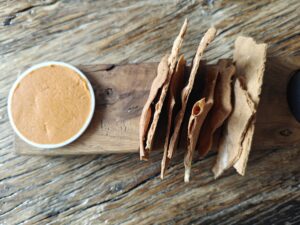
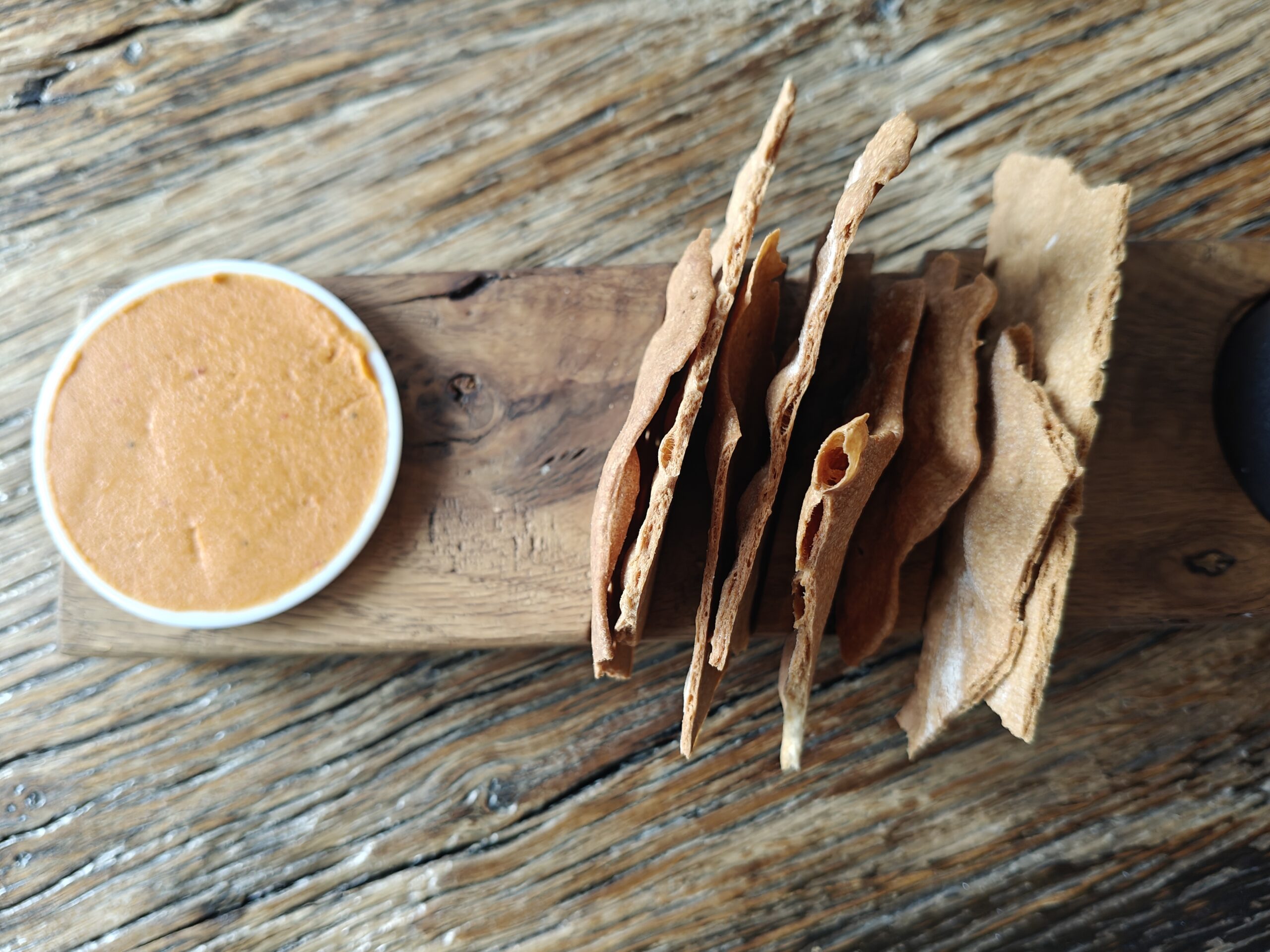
During a recent lunch visit, I was curious to see how this longstanding establishment continues to position itself within Leuven’s competitive dining scene. Upon being seated, we were welcomed with a selection of crackers accompanied by a paprika mousse. The combination was certainly enjoyable, although perhaps a slightly daring opening. Paprika is a flavour that can easily dominate the palate and tends to linger for quite some time. While tasty in its own right, I wondered whether it was the ideal flavour profile with which to begin a menu, as subtler flavours presented later might struggle to compete with its persistence.
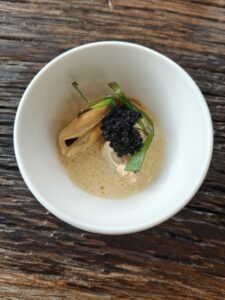
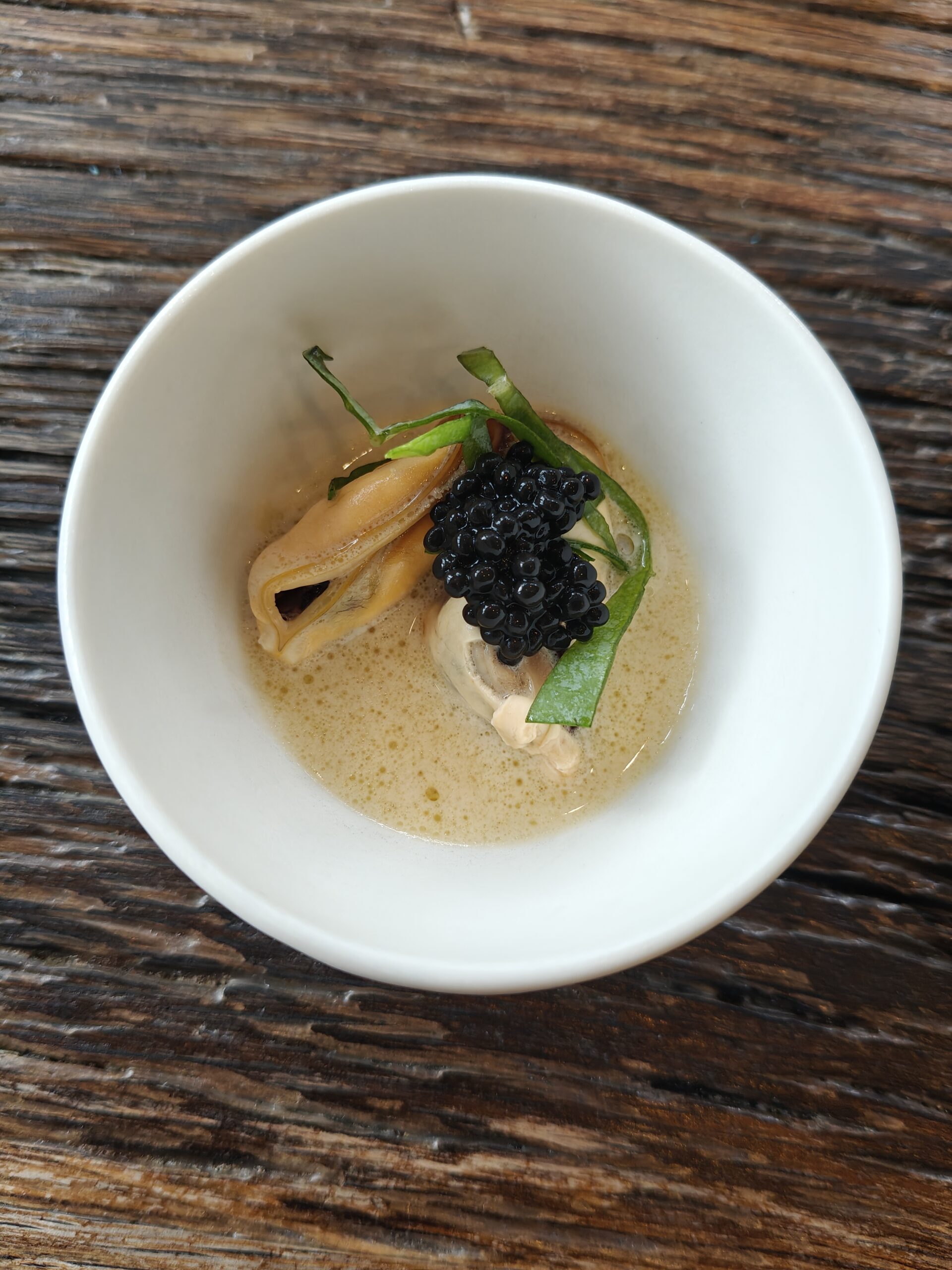
The amuse-bouches that followed were generally well executed and enjoyable. However, they also raised a question that I increasingly find myself asking in contemporary fine dining: what exactly is the added value of caviar or fish roe when it contributes little or nothing from a flavour perspective? Too often these ingredients appear to be added because they are luxurious rather than because they genuinely enhance the dish. One of the amuse-bouches, based on mussels, was a perfect example. The preparation itself was flavourful and balanced, making the addition of fish roe feel somewhat unnecessary.
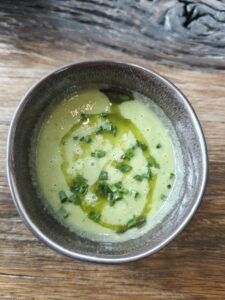
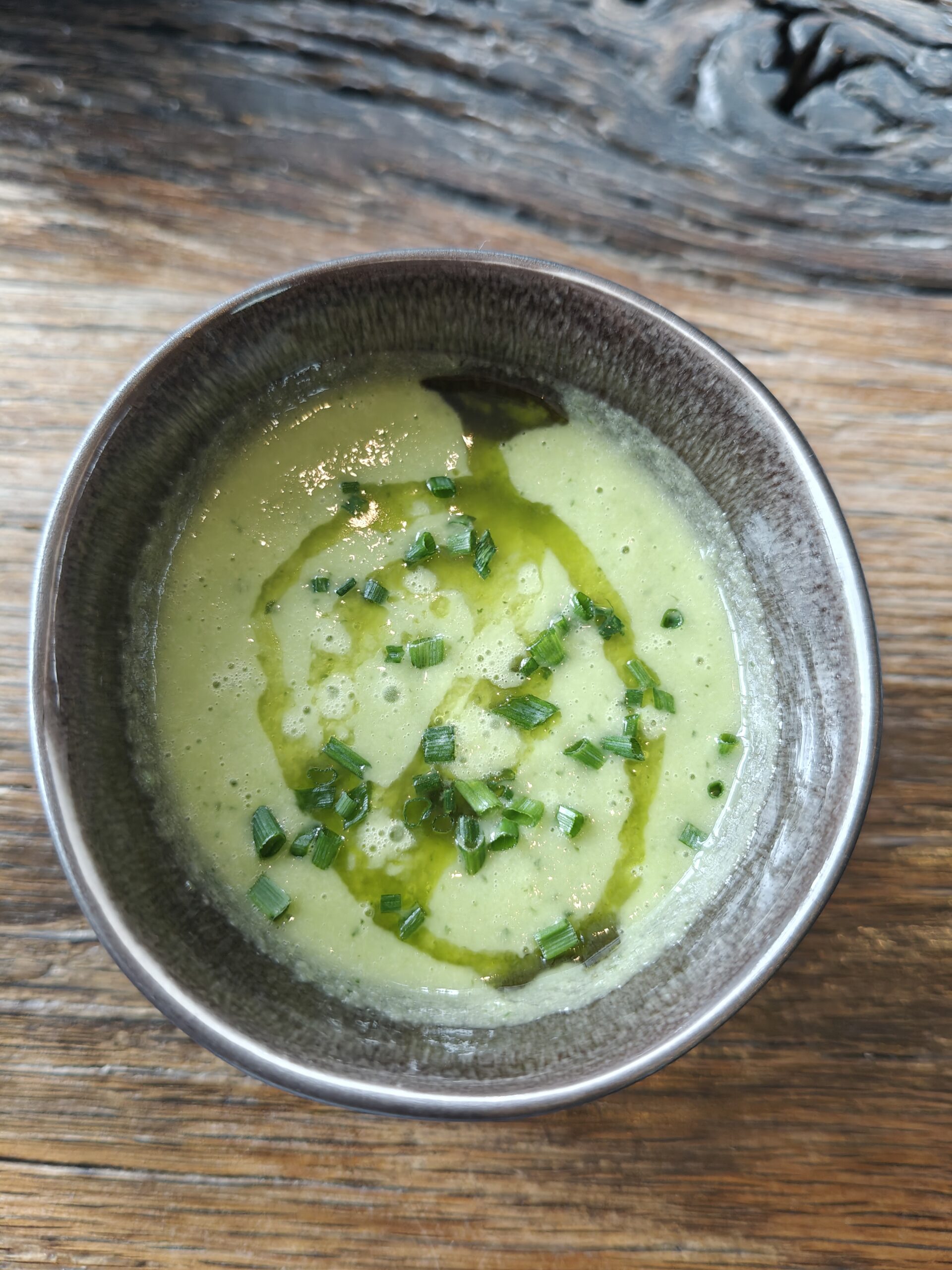
The gazpacho made from cucumber, on the other hand, was wonderfully refreshing. It walked a fine line between bright acidity and excessive sharpness, stopping just short of becoming too sour. On a warm day, it provided exactly the kind of freshness one hopes for from an opening sequence.
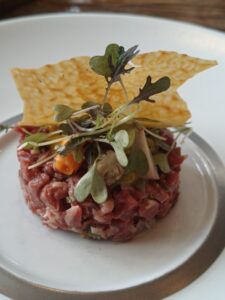
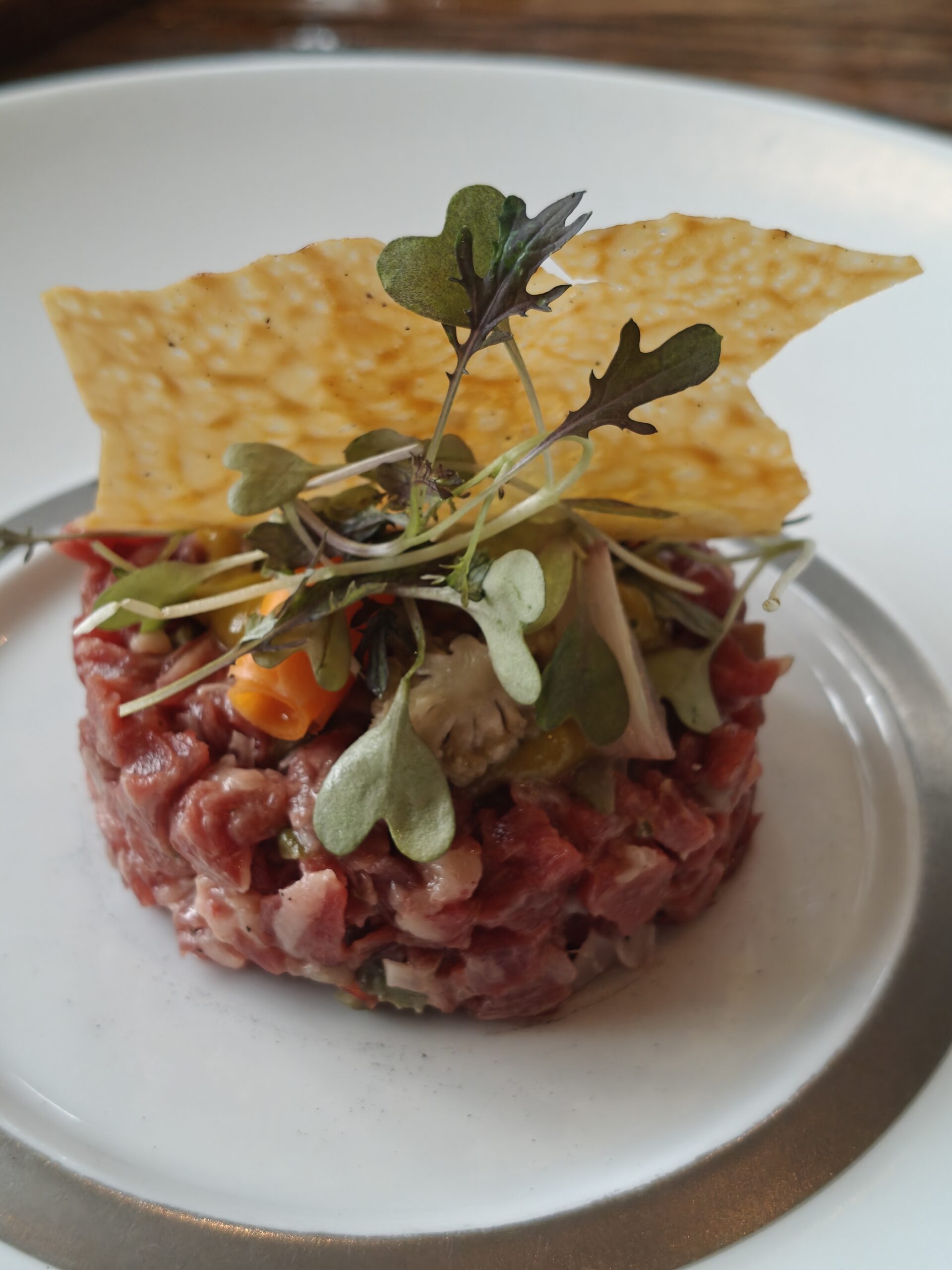
For my starter, I opted for the beef tartare, prepared à la minute at the table. There is always something appealing about this style of service. Not only does it demonstrate confidence in the product, but it also adds a degree of interaction and theatre without becoming overly elaborate. In terms of flavour, the dish was highly successful. The mustard seeds provided pleasant bursts of sharpness and texture, while the accompanying pickles added freshness and contrast.
My only reservation concerned the cut of the meat itself. Personally, I would have preferred a slightly rougher chop. The finely diced cubes were technically precise, but they reduced some of the textural character that a tartare can offer. A coarser cut would have delivered a more satisfying bite while allowing the quality of the beef to speak even more clearly.
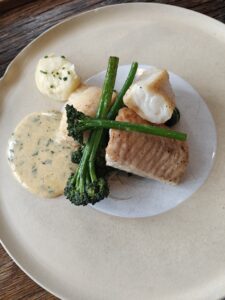
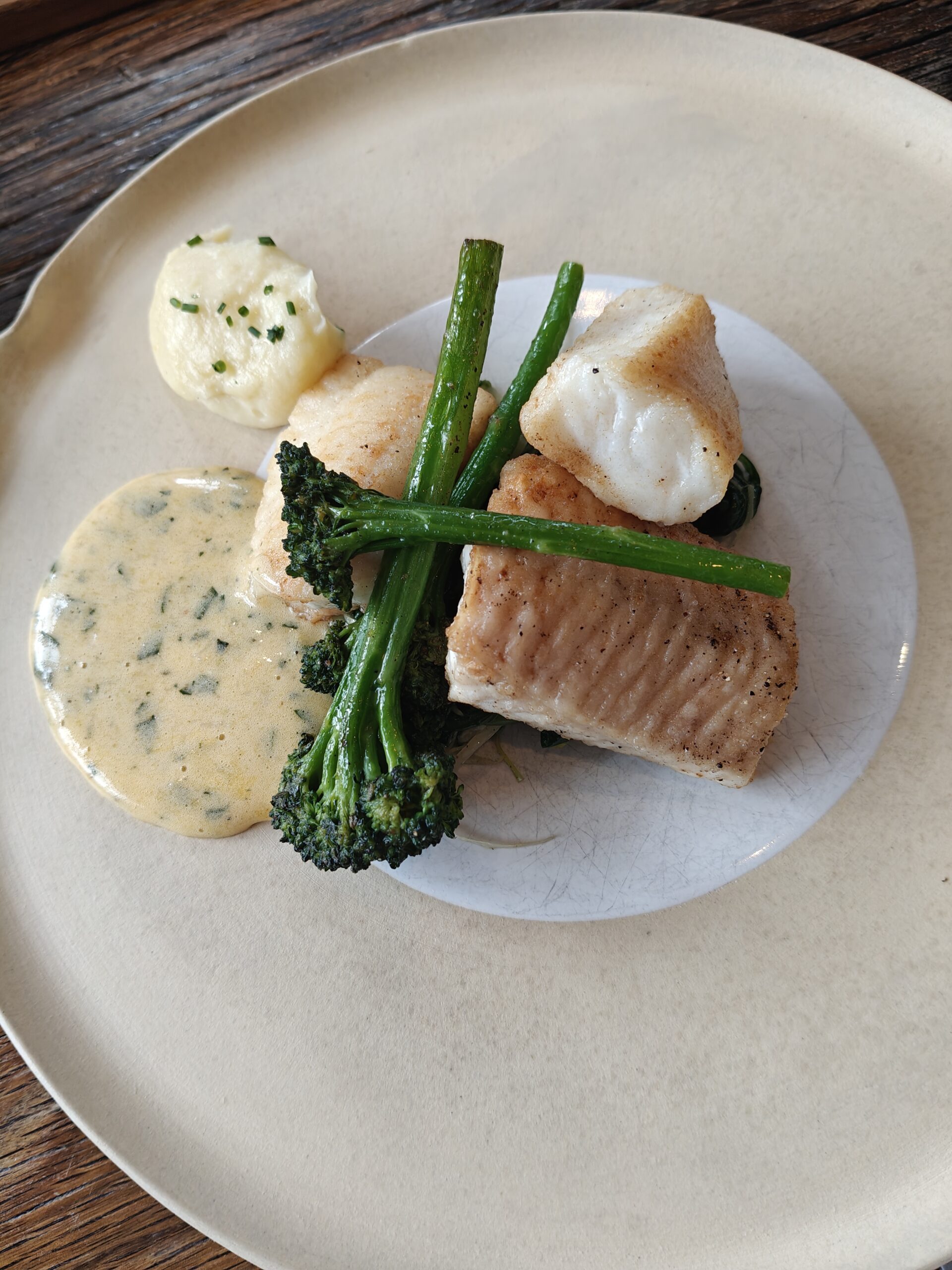
As a main course, I selected the sea wolf accompanied by a North Sea crab béarnaise. This proved to be a particularly enjoyable dish. The accompanying sauce worked exceptionally well, and the additional pot of sauce provided at the table was a welcome touch. There is something reassuring about having that extra serving available, particularly when the sauce itself plays such an important role in the overall experience.
Alongside the fish came a separate pot of mashed potato, clearly inspired by the famously rich and smooth style associated with Joël Robuchon. While the purée was undoubtedly well prepared, I personally found the additional pot somewhat unnecessary. A modest serving presented directly on the plate would have been sufficient. Separate side dishes can occasionally make a meal feel more fragmented than cohesive, and in this particular case I felt the dish itself was already complete without the need for an extra component served separately.
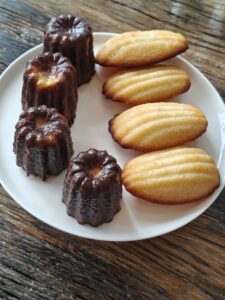
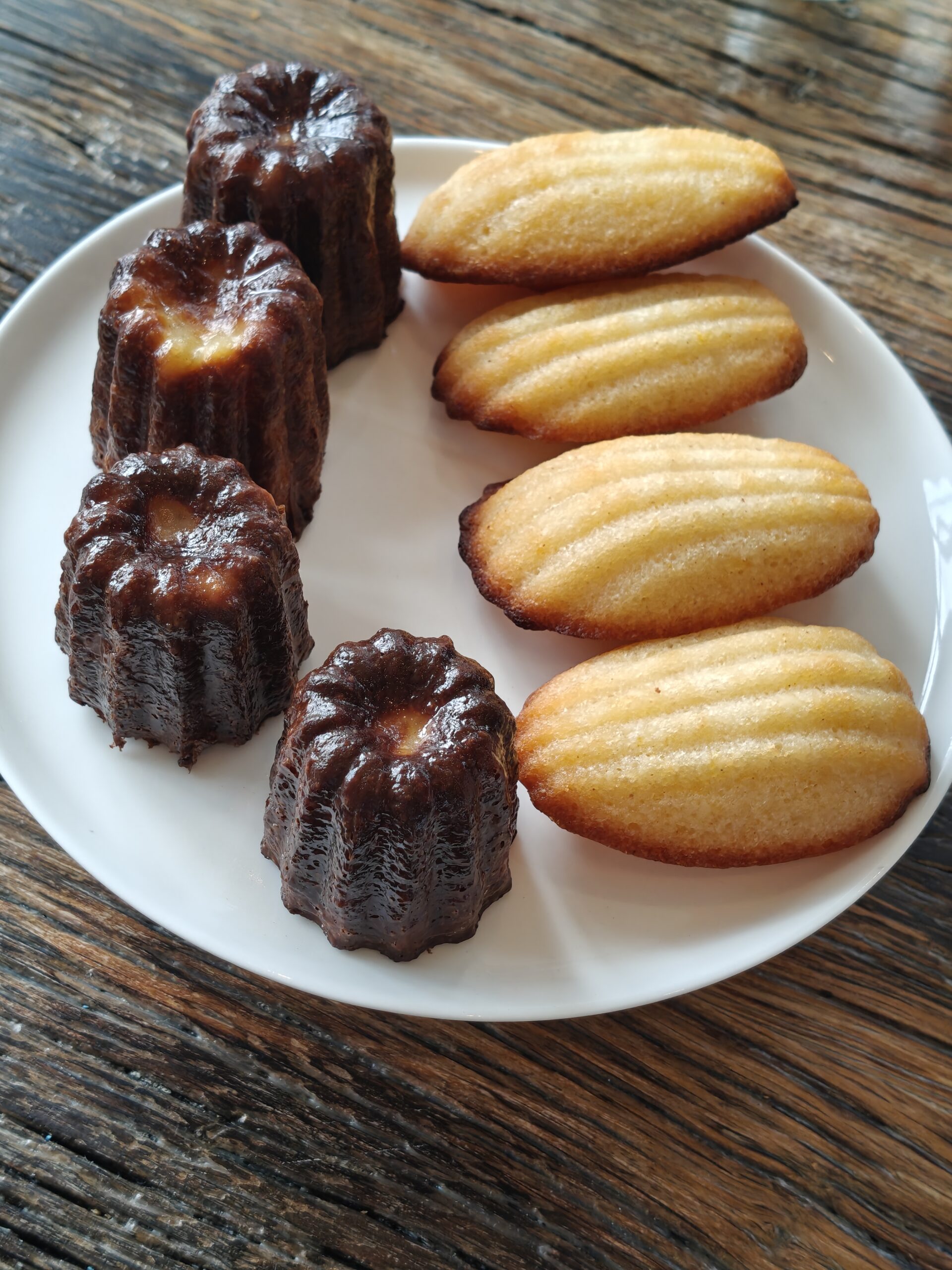
To conclude the meal, we were presented with three mignardises. This final sequence showcased several highlights of the lunch. The madeleine with a citrus touch was absolutely delightful, striking a lovely balance between sweetness and freshness. Equally impressive was the canelé. Its exterior possessed exactly the right degree of firmness, while the interior remained wonderfully moist and rich. It was certainly one of the standout bites of the afternoon.
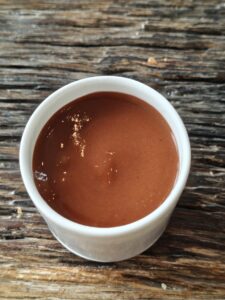
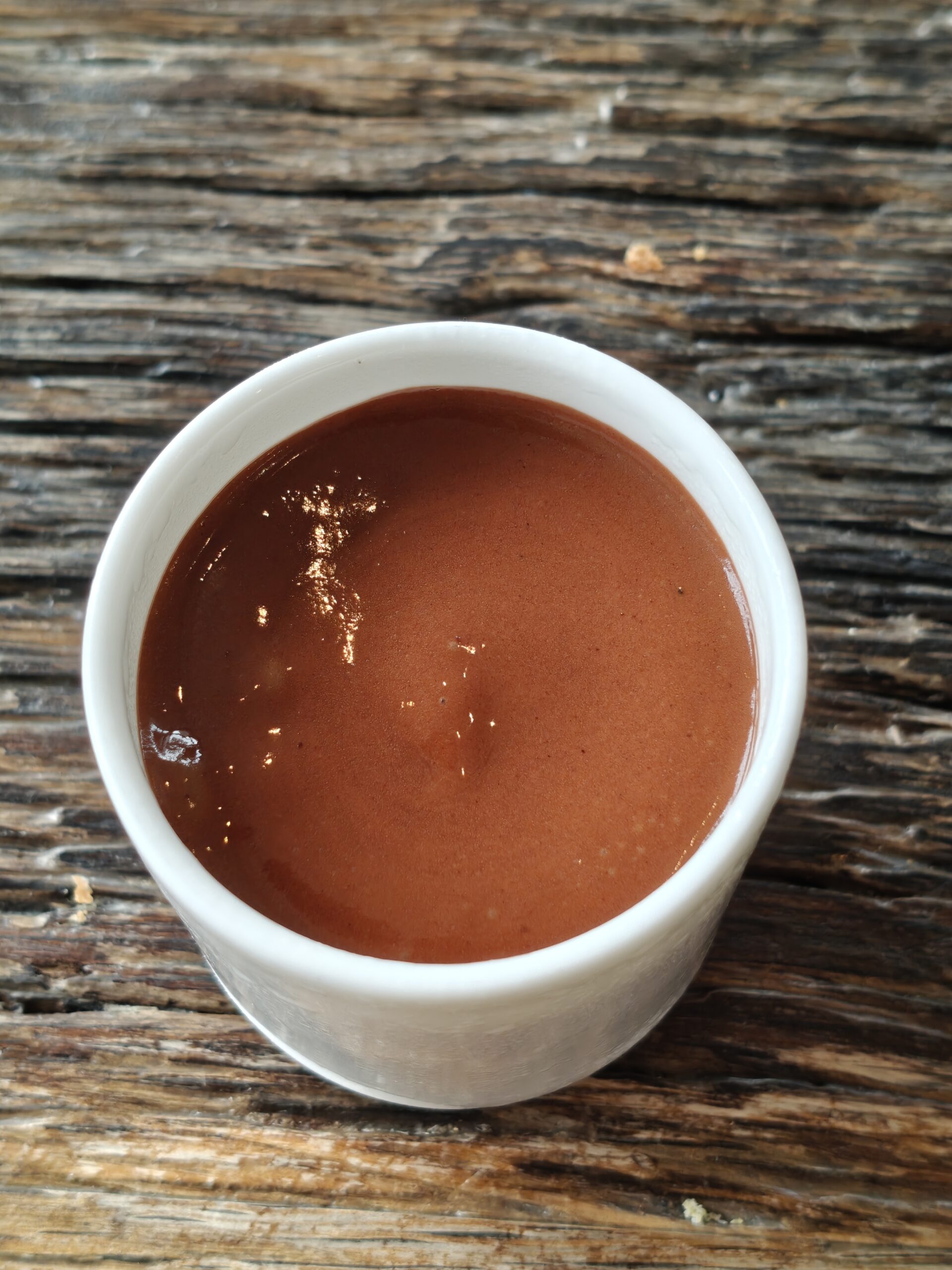
The third sweet creation consisted of a warm and cold dessert combination. Conceptually, it was an interesting idea, but here the execution felt slightly less convincing. By the time the dessert reached the table, the cold element was no longer sufficiently cold to provide the desired contrast. This led me to wonder whether a different service approach might improve the experience. Serving the cold element first and then adding the warm chocolate component at the table could potentially preserve that hot-and-cold interplay more effectively and elevate the dessert further.
Beyond the food itself, there were a few small details that caught my attention during the meal. Several of the glasses appeared somewhat dull rather than crystal clear, and I also noticed minor imperfections on a few plates. These are not major issues, but in a restaurant operating at this level, such details inevitably stand out. Fine dining is often defined by consistency and attention to every aspect of the guest experience, and therefore the condition of glassware and tableware deserves the same scrutiny as any other element of service. It is perhaps a relatively small point, but one that could benefit from some additional attention.
Overall, my visit to Het Land aan de Overkant proved to be a pleasant and enjoyable experience. The restaurant continues to demonstrate why it remains a respected name in the Leuven dining scene. While there were a few aspects that could be refined, particularly regarding certain presentation choices and some details of maintenance, the meal offered many enjoyable moments and several memorable dishes.
Combined with its attractive setting in Heverlee, the cooking of chef Mattias Pollers, and the hospitality and wine expertise of owner-sommelier Olivier Wijns, Het Land aan de Overkant remains a restaurant well worth considering when exploring the fine dining landscape around Leuven. It is a restaurant that understands the importance of balancing refinement with accessibility, and despite a handful of minor criticisms, it continues to offer a dining experience that is both satisfying and memorable.
Chef: Mattias Pollers
Date of visit: September 4th 2026
Website: https://www.hetlandaandeoverkant.be/en
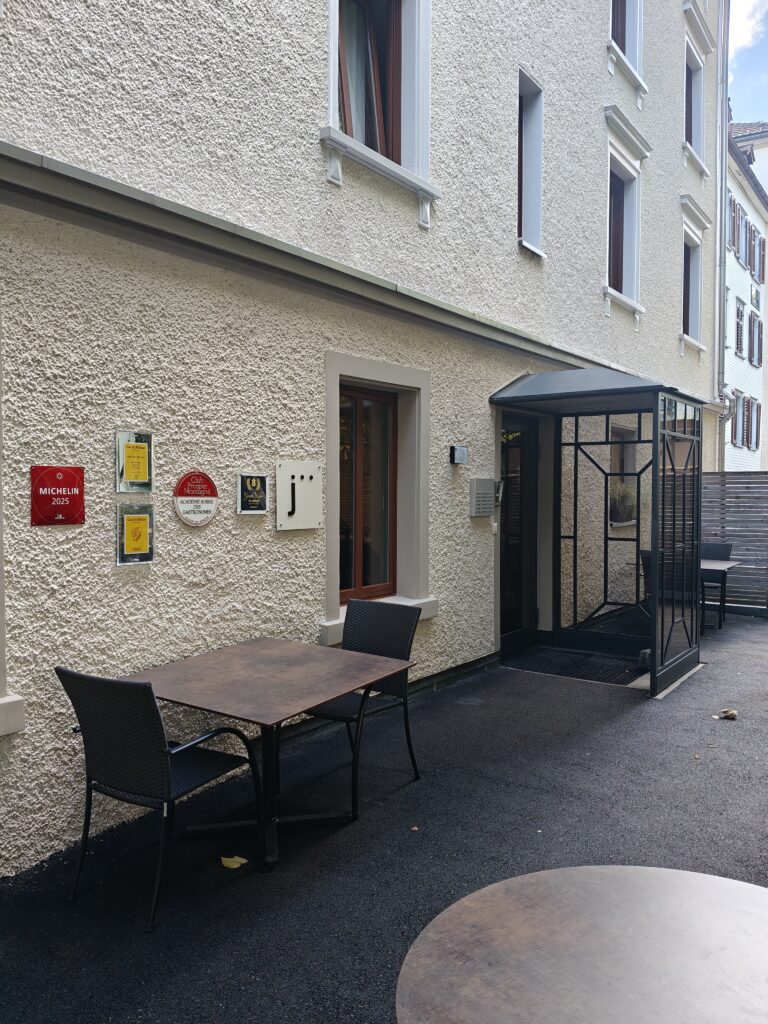
Michelin: Selected Restaurant
Gault & Millau: 14